In the field of automation and mechanical control, 24V actuators play a crucial role. These devices are widely used in various applications, from industrial machinery to home automation systems. As a 24V actuator supplier, I often receive inquiries about how to change the direction of a 24V actuator. In this blog post, I will share some practical methods and considerations to help you understand and implement this process effectively.
Understanding the Basics of a 24V Actuator
Before delving into the methods of changing the actuator's direction, it's essential to have a basic understanding of how a 24V actuator works. A 24V actuator is an electromechanical device that converts electrical energy into mechanical motion. It typically consists of a motor, a gearbox, and a rod or shaft that moves linearly or rotationally. The direction of the actuator's movement is determined by the polarity of the electrical current applied to the motor.
Methods to Change the Direction of a 24V Actuator
1. Using a Relay
One of the most common and straightforward methods to change the direction of a 24V actuator is by using a relay. A relay is an electrically operated switch that can control the flow of current in a circuit. By using a double-pole double-throw (DPDT) relay, you can reverse the polarity of the voltage applied to the actuator's motor, thereby changing its direction of movement.
Here's a step-by-step guide on how to use a relay to change the direction of a 24V actuator:
- Connect the Power Supply: Connect the 24V power supply to the common terminals of the DPDT relay.
- Connect the Actuator: Connect the actuator's motor leads to the normally open (NO) and normally closed (NC) terminals of the relay.
- Control the Relay: Use a control signal (such as a 5V or 12V signal) to activate the relay. When the relay is energized, it will switch the connections, reversing the polarity of the voltage applied to the actuator's motor.
2. Using a H-Bridge Circuit
Another popular method for changing the direction of a 24V actuator is by using an H-bridge circuit. An H-bridge is a circuit configuration that allows you to control the direction and speed of a DC motor. It consists of four switches (usually transistors) arranged in an "H" shape.
Here's how an H-bridge circuit works:
- Forward Direction: To move the actuator in the forward direction, two of the switches are closed, allowing current to flow through the motor in one direction.
- Reverse Direction: To move the actuator in the reverse direction, the other two switches are closed, reversing the direction of the current flow through the motor.
Using an H-bridge circuit provides more precise control over the actuator's movement compared to using a relay. However, it also requires more complex circuitry and may be more challenging to implement.
3. Using a Controller
For more advanced applications, you can use a dedicated controller to change the direction of a 24V actuator. A controller is a device that can receive input signals from a user or a sensor and output the appropriate control signals to the actuator.
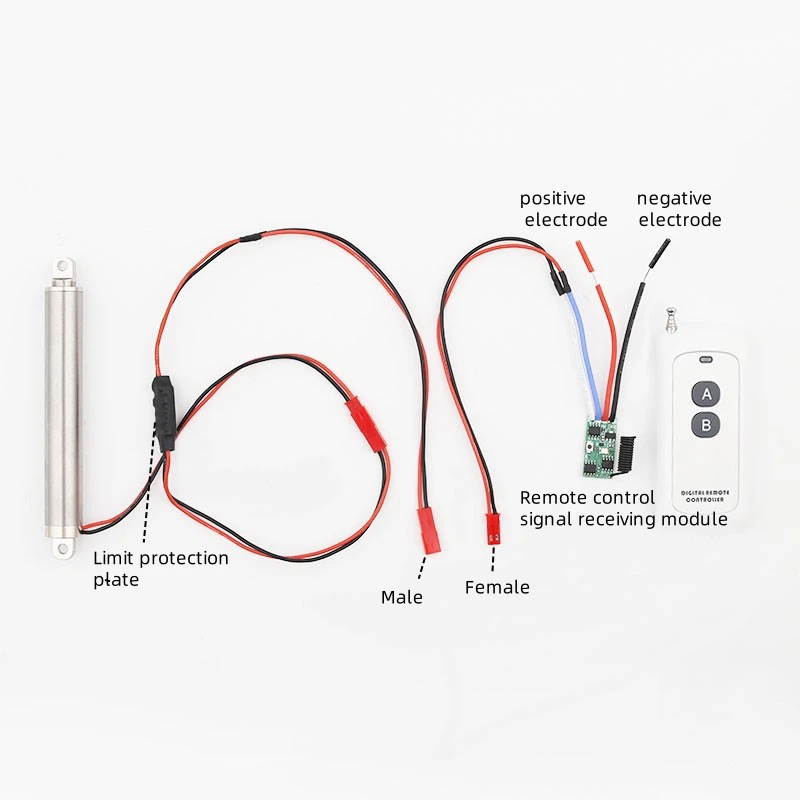
There are various types of controllers available, including microcontrollers, programmable logic controllers (PLCs), and motor drivers. These controllers can be programmed to perform specific tasks, such as changing the actuator's direction based on certain conditions or inputs.
Considerations When Changing the Direction of a 24V Actuator
1. Power Rating
When changing the direction of a 24V actuator, it's important to ensure that the power supply and the control components (such as relays or H-bridge circuits) can handle the actuator's power requirements. Make sure to check the actuator's datasheet for its power rating and choose components that can provide sufficient current and voltage.
2. Safety
Safety should always be a top priority when working with electrical devices. When changing the direction of a 24V actuator, make sure to follow proper safety procedures, such as wearing appropriate protective gear and disconnecting the power supply before making any connections.
3. Compatibility
Ensure that the control method you choose is compatible with the actuator's design and specifications. Some actuators may have built-in protection circuits or require specific control signals, so it's important to check the datasheet or consult the manufacturer for compatibility information.
Related Products
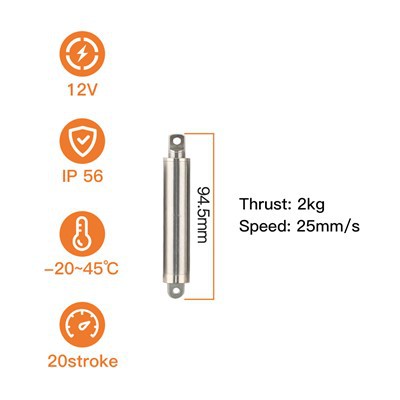
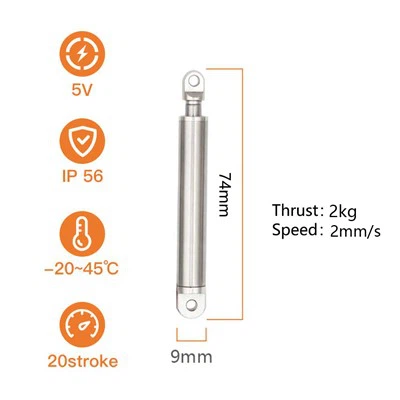
If you're interested in other types of actuators, we also offer 12 Volt Dc Actuator and 12V Actuator Linear. These products are suitable for a wide range of applications and can provide reliable and efficient performance.
Conclusion
Changing the direction of a 24V actuator is a common task in many automation and mechanical control applications. By using methods such as relays, H-bridge circuits, or controllers, you can easily reverse the polarity of the voltage applied to the actuator's motor and change its direction of movement. However, it's important to consider factors such as power rating, safety, and compatibility when implementing these methods.
As a 24V actuator supplier, we are committed to providing high-quality products and technical support to our customers. If you have any questions or need further assistance with changing the direction of a 24V actuator, please feel free to contact us. We look forward to discussing your specific requirements and helping you find the best solution for your application.
References
- "Electrical Engineering: Principles and Applications" by Allan R. Hambley
- "Motor Control Circuits" by Delmar Learning