Hey there! As a supplier of electric lift cylinders, I've seen firsthand how various factors can impact their performance. One often overlooked factor is dust. In this blog, I'll dive into how dust affects the operation of an electric lift cylinder and what you can do about it.
How Dust Gets In
First things first, let's talk about how dust manages to find its way into an electric lift cylinder. These cylinders are used in all sorts of environments, from clean industrial settings to dusty construction sites. Even in relatively clean areas, small particles can still make their way in through tiny gaps or openings.
Dust can also be generated internally. For example, as the cylinder moves, there's friction between its moving parts. This friction can cause wear and tear, which in turn generates small particles of metal or other materials. Over time, these particles can build up and act like dust within the cylinder.
Impact on Lubrication
One of the biggest ways dust affects an electric lift cylinder is by interfering with its lubrication. Lubrication is crucial for reducing friction between the moving parts of the cylinder. It helps the cylinder operate smoothly and efficiently, and it also extends the lifespan of the components.
When dust gets into the lubricant, it can act like sandpaper. The abrasive particles can scratch the surfaces of the moving parts, causing increased friction. This not only makes the cylinder work harder but also leads to more wear and tear. As the friction increases, the temperature inside the cylinder can also rise, which can further degrade the lubricant.
Over time, the contaminated lubricant may lose its effectiveness. It may not be able to provide the same level of protection and smooth operation as clean lubricant. This can result in a decrease in the performance of the electric lift cylinder, such as slower movement or reduced load capacity.
Effects on Seals and Gaskets
Dust can also have a significant impact on the seals and gaskets of an electric lift cylinder. These components are designed to keep the lubricant inside the cylinder and prevent contaminants from getting in. However, when dust particles come into contact with the seals and gaskets, they can cause damage.
The abrasive nature of dust can wear down the seals and gaskets over time. This can lead to leaks, which not only result in the loss of lubricant but also allow more dust and other contaminants to enter the cylinder. Once the seals are compromised, the cylinder is more vulnerable to further damage and reduced performance.
In addition, dust can also cause the seals and gaskets to harden or become brittle. This can make them less flexible and less effective at sealing the cylinder. As a result, the cylinder may not be able to maintain the proper pressure, which can affect its overall operation.
Impact on Electrical Components
Many electric lift cylinders have electrical components, such as motors and sensors. Dust can pose a threat to these components as well. When dust accumulates on the electrical contacts, it can create a barrier that prevents proper electrical conductivity. This can lead to issues such as intermittent operation, reduced power output, or even complete failure of the electrical components.
Dust can also cause overheating in the electrical components. As the dust builds up, it can insulate the components, preventing heat from dissipating properly. This can cause the temperature of the components to rise, which can damage the insulation and other materials. Over time, this can lead to short circuits or other electrical problems.
Reducing the Impact of Dust
So, what can you do to reduce the impact of dust on your electric lift cylinders? Here are some tips:
Choose the Right Cylinder
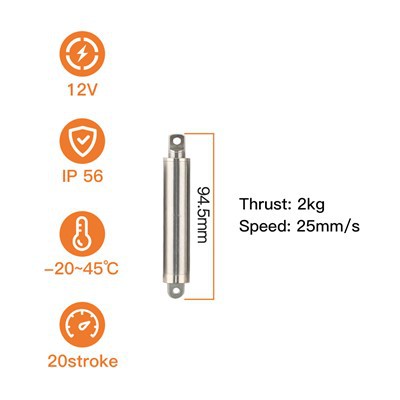
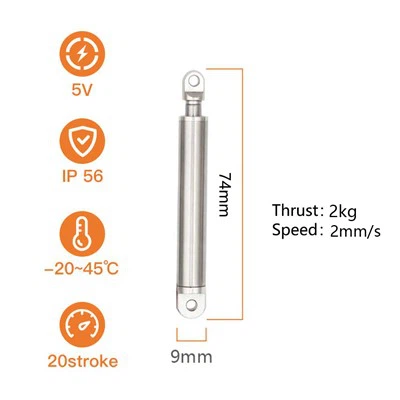
When selecting an electric lift cylinder, consider the environment in which it will be used. If the environment is particularly dusty, look for cylinders that are designed to be dust-resistant. For example, you might consider a Fast Linear Actuator or an Ip56 Linear Actuator, which are designed to provide better protection against dust and other contaminants.
Use Proper Sealing
Make sure the cylinder has proper sealing to prevent dust from entering. This includes using high-quality seals and gaskets and ensuring that they are installed correctly. Regularly inspect the seals for signs of wear or damage and replace them as needed.
Keep the Environment Clean
Try to keep the area around the electric lift cylinder as clean as possible. This can help reduce the amount of dust that is available to enter the cylinder. You can use dust covers or enclosures to protect the cylinder from airborne dust.


Regular Maintenance
Regular maintenance is essential for keeping your electric lift cylinders in good working condition. This includes changing the lubricant at the recommended intervals, inspecting the seals and gaskets, and cleaning the electrical components. By performing regular maintenance, you can catch any issues early and prevent them from becoming major problems.
Conclusion
Dust can have a significant impact on the operation of an electric lift cylinder. It can interfere with lubrication, damage seals and gaskets, and cause problems with the electrical components. However, by taking the right precautions and performing regular maintenance, you can reduce the impact of dust and ensure that your cylinders operate smoothly and efficiently.
If you're in the market for an electric lift cylinder or need more information about how to protect your existing cylinders from dust, don't hesitate to reach out. We're here to help you find the right solution for your needs. Whether you're looking for a Fast Linear Actuator, an Ip56 Linear Actuator, or a Linear Motor Actuator, we've got you covered. Contact us today to start the conversation!
References
- "Industrial Electric Actuators: Maintenance and Troubleshooting" - A technical guide on electric actuators and their maintenance.
- "Dust and Contamination in Mechanical Systems" - Research on the effects of dust on mechanical components.