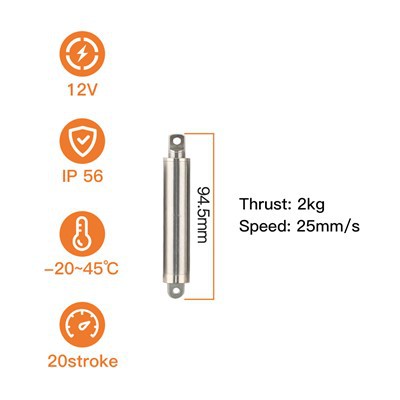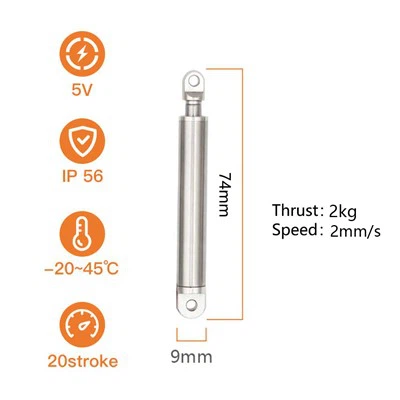
As a supplier of fast linear actuators, I often encounter questions from customers about the suitability of our products in various environments. One of the most frequently asked questions is whether a fast linear actuator can be used in a corrosive environment. In this blog post, I will explore this topic in detail, discussing the challenges, solutions, and considerations when using fast linear actuators in corrosive settings.
Challenges of Using Fast Linear Actuators in Corrosive Environments
Corrosive environments pose significant challenges to the operation and longevity of fast linear actuators. Corrosion is a natural process that occurs when metals react with their surroundings, typically oxygen, water, and chemicals. In a corrosive environment, such as a chemical plant, marine setting, or food processing facility, the actuator's components are at risk of degradation, which can lead to reduced performance, increased maintenance costs, and even complete failure.
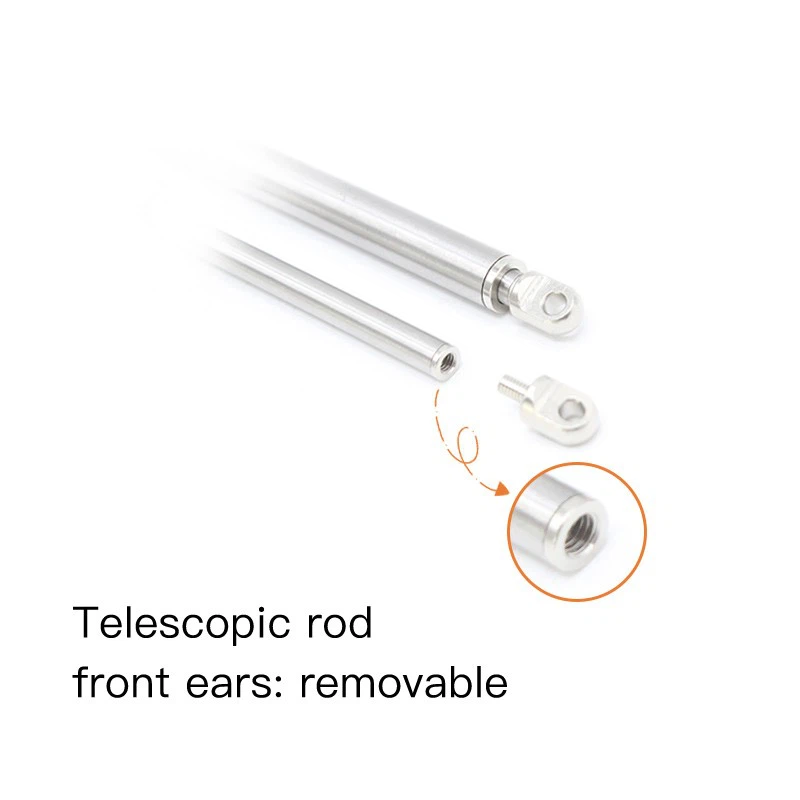
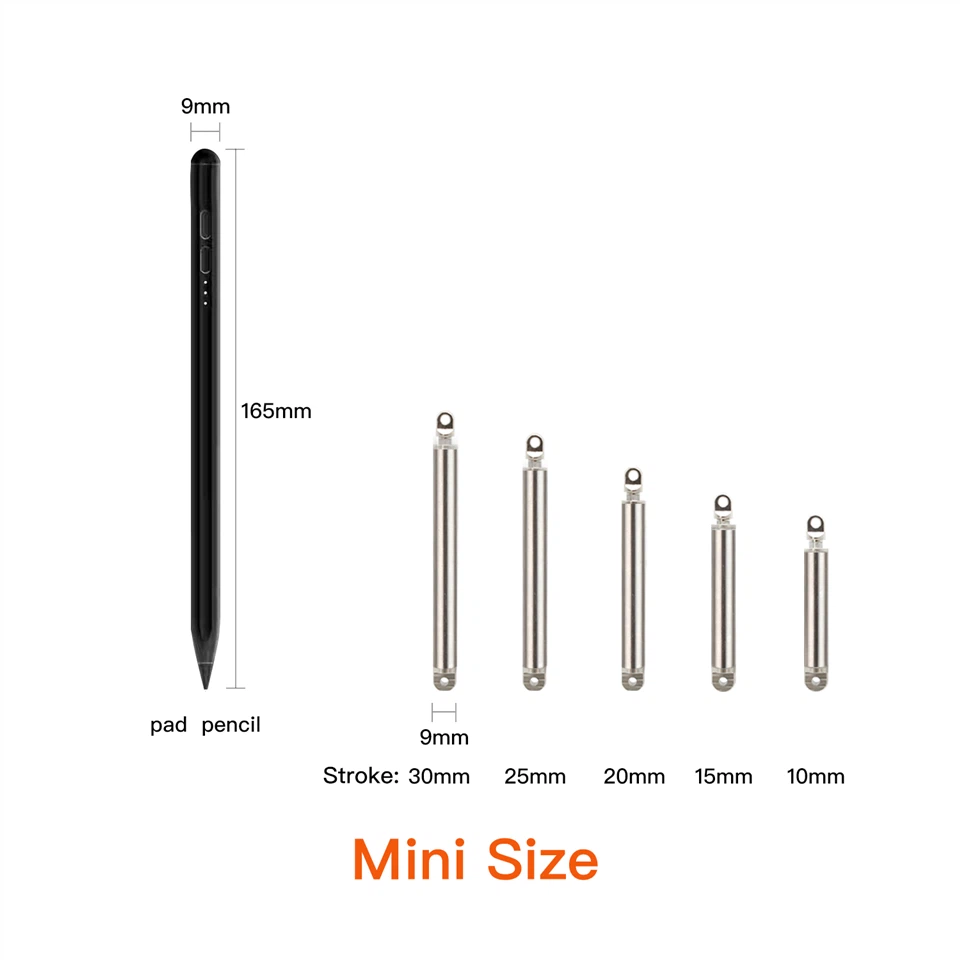
One of the primary challenges is the corrosion of the actuator's metal parts, such as the rod, housing, and internal components. When these parts corrode, they can lose their structural integrity, leading to increased friction, reduced efficiency, and potential mechanical failures. For example, corrosion on the rod can cause it to stick or bind, preventing smooth movement and accurate positioning. Additionally, corrosion can also affect the electrical components of the actuator, such as the motor and control system, leading to malfunctions and safety hazards.
Another challenge is the impact of corrosion on the actuator's seals and gaskets. These components are essential for preventing the ingress of corrosive substances into the actuator's internal parts. However, in a corrosive environment, the seals and gaskets can deteriorate over time, losing their effectiveness and allowing corrosive agents to enter the actuator. This can further accelerate the corrosion process and cause damage to the internal components.
Solutions for Using Fast Linear Actuators in Corrosive Environments
Despite the challenges, there are several solutions available to enable the use of fast linear actuators in corrosive environments. These solutions involve selecting the right materials, applying protective coatings, and implementing proper maintenance practices.
Material Selection
One of the most effective ways to combat corrosion is to choose materials that are resistant to corrosion. For example, stainless steel is a popular choice for linear actuators used in corrosive environments due to its high resistance to rust and corrosion. Stainless Steel Linear Actuator is specifically designed to withstand harsh conditions and provide long-lasting performance. Other materials, such as aluminum and titanium, can also be used in certain applications, depending on the level of corrosion resistance required.
Protective Coatings
In addition to using corrosion-resistant materials, applying protective coatings to the actuator's components can further enhance their resistance to corrosion. There are several types of coatings available, including powder coatings, epoxy coatings, and zinc plating. These coatings act as a barrier between the metal surface and the corrosive environment, preventing direct contact and reducing the risk of corrosion. For example, a powder-coated actuator can provide a durable and attractive finish that is resistant to scratches, chips, and corrosion.
Sealing and Gasketing
Proper sealing and gasketing are crucial for preventing the ingress of corrosive substances into the actuator's internal parts. When selecting seals and gaskets, it is important to choose materials that are compatible with the corrosive environment and have good chemical resistance. Additionally, regular inspection and replacement of seals and gaskets are necessary to ensure their effectiveness over time.
Maintenance and Monitoring
Regular maintenance and monitoring are essential for ensuring the long-term performance of fast linear actuators in corrosive environments. This includes cleaning the actuator regularly to remove any corrosive substances, lubricating the moving parts to reduce friction, and inspecting the components for signs of wear and corrosion. Additionally, implementing a monitoring system can help detect early signs of corrosion and allow for timely maintenance and repairs.
Considerations When Using Fast Linear Actuators in Corrosive Environments
When using fast linear actuators in corrosive environments, there are several considerations that need to be taken into account to ensure optimal performance and safety.
Environmental Conditions
The first consideration is the specific environmental conditions in which the actuator will be used. This includes factors such as the type and concentration of corrosive substances, the temperature and humidity levels, and the presence of other contaminants. Understanding these conditions is essential for selecting the right materials, coatings, and seals for the actuator.
Application Requirements
The application requirements also play a crucial role in determining the suitability of a fast linear actuator for a corrosive environment. This includes factors such as the required speed, force, and accuracy of the actuator, as well as the duty cycle and operating conditions. For example, in applications where high speed and precision are required, a Linear Motor Actuator may be a better choice due to its superior performance and control capabilities.
Safety and Compliance
Safety is always a top priority when using fast linear actuators in corrosive environments. It is important to ensure that the actuator meets all relevant safety standards and regulations, and that proper safety measures are in place to prevent accidents and injuries. This includes providing adequate protection for the operator, such as guards and shields, and implementing a safety control system to monitor the actuator's operation.
Conclusion
In conclusion, while using fast linear actuators in corrosive environments presents significant challenges, it is possible to overcome these challenges with the right solutions and considerations. By selecting the right materials, applying protective coatings, implementing proper maintenance practices, and taking into account the environmental conditions and application requirements, fast linear actuators can provide reliable and long-lasting performance in corrosive settings.
If you are considering using a fast linear actuator in a corrosive environment, I encourage you to contact us to discuss your specific needs and requirements. Our team of experts can provide you with the guidance and support you need to select the right actuator for your application and ensure its optimal performance and longevity. Whether you need a Stainless Steel Linear Actuator for a marine application or a Linear Motor Actuator for a high-speed industrial process, we have the expertise and experience to help you find the perfect solution.
References
- ASM International. (2003). Corrosion Basics: An Introduction. ASM International.
- NACE International. (2016). Corrosion Control in the Oil and Gas Industry. NACE International.
- Parker Hannifin Corporation. (2019). Linear Actuator Selection Guide. Parker Hannifin Corporation.