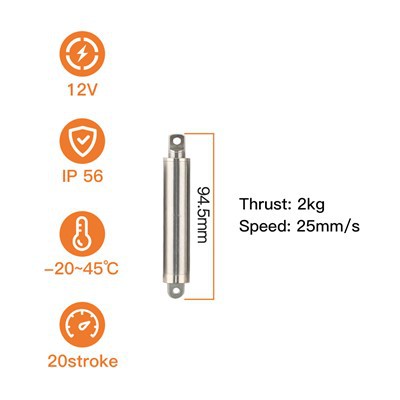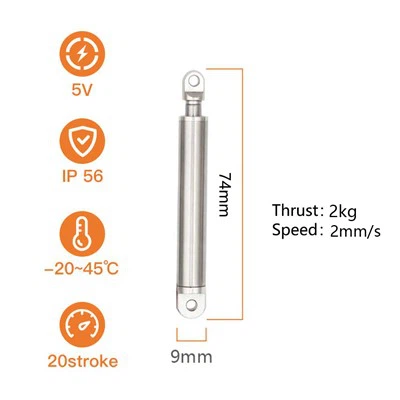
Hey there! As a supplier of DC linear actuators, I often get asked about the temperature range for these nifty devices to operate. It's a crucial question because the temperature can have a significant impact on the performance and lifespan of a DC linear actuator. So, let's dive right in and explore this topic in detail.
Why Temperature Matters for DC Linear Actuators
Before we get into the specific temperature ranges, let's understand why temperature is such a big deal for DC linear actuators. These actuators are made up of various components, including motors, gears, and electronic controls. Each of these components has its own optimal operating temperature range. When the temperature goes outside of this range, it can cause a whole host of problems.
For example, high temperatures can cause the motor to overheat, which can lead to reduced efficiency, increased wear and tear, and even permanent damage. On the other hand, low temperatures can make the lubricants in the gears thicker, which can increase friction and make the actuator harder to operate. In extreme cases, it can even cause the actuator to seize up completely.
Typical Temperature Ranges for DC Linear Actuators
So, what is the typical temperature range for a DC linear actuator to operate? Well, it depends on the specific model and manufacturer, but most DC linear actuators are designed to operate in a temperature range of -20°C to 60°C (-4°F to 140°F). This range is considered to be the "sweet spot" where the actuator can perform at its best.
However, some high-performance actuators are designed to operate in even more extreme temperatures. For example, some industrial-grade actuators can operate in temperatures as low as -40°C (-40°F) or as high as 80°C (176°F). These actuators are typically used in harsh environments where temperature fluctuations are common, such as in the oil and gas industry or in outdoor applications.
Factors That Affect the Temperature Range
While the typical temperature range for a DC linear actuator is -20°C to 60°C, there are several factors that can affect this range. Here are some of the most important factors to consider:
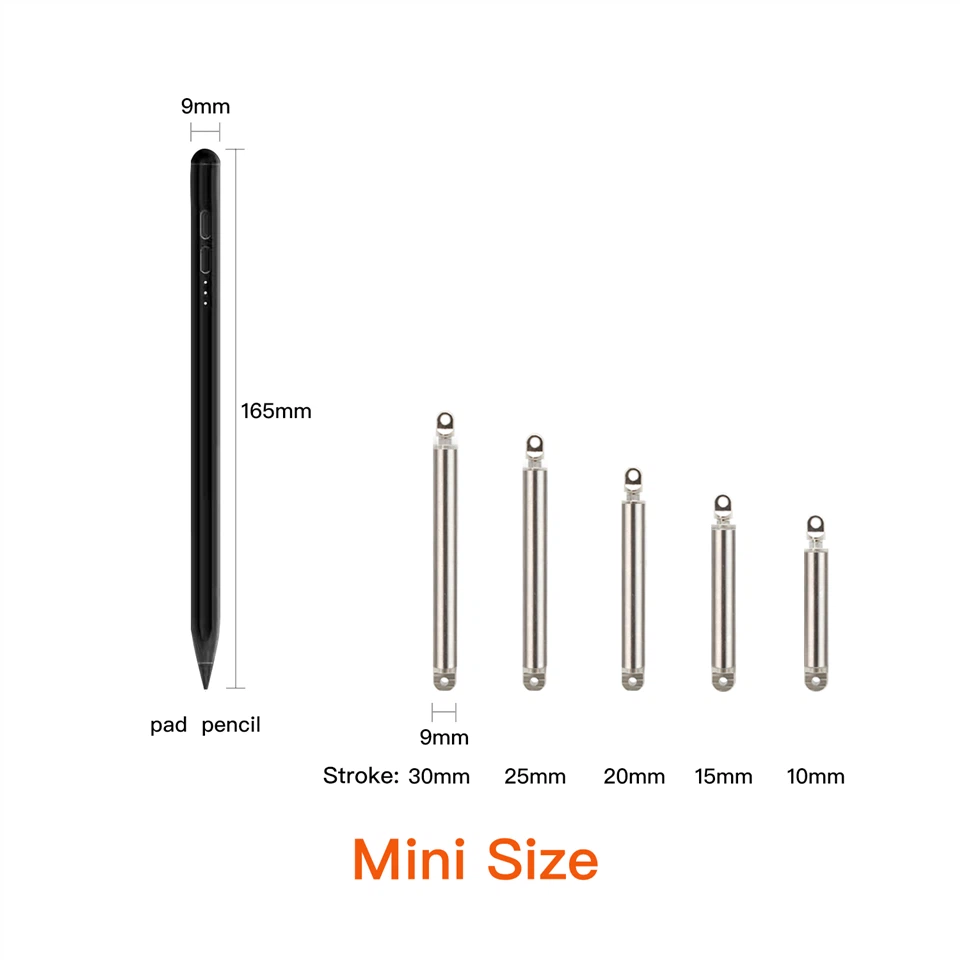
- Type of Actuator: Different types of DC linear actuators have different temperature ranges. For example, a Tiny Linear Actuator may have a narrower temperature range than a larger, more powerful actuator.
- Quality of Components: The quality of the components used in the actuator can also affect its temperature range. Higher-quality components are generally more resistant to temperature fluctuations and can operate in a wider range of temperatures.
- Operating Conditions: The operating conditions of the actuator can also have an impact on its temperature range. For example, if the actuator is used in a high-humidity environment, it may be more susceptible to corrosion and damage at high temperatures.
- Load and Duty Cycle: The load and duty cycle of the actuator can also affect its temperature range. If the actuator is used to lift heavy loads or operate for long periods of time, it may generate more heat and require a wider temperature range.
Tips for Operating DC Linear Actuators in Extreme Temperatures
If you need to operate a DC linear actuator in extreme temperatures, there are several things you can do to ensure its performance and longevity. Here are some tips to keep in mind:
- Choose the Right Actuator: Make sure you choose an actuator that is designed to operate in the temperature range you need. If you need to operate the actuator in extreme temperatures, look for a high-performance actuator that is specifically designed for harsh environments.
- Use a Temperature Sensor: Consider using a temperature sensor to monitor the temperature of the actuator. This can help you detect any potential problems early on and take corrective action before it's too late.
- Provide Adequate Cooling: If you're operating the actuator in high temperatures, make sure it has adequate cooling. This may involve using a fan or heat sink to dissipate the heat.
- Lubricate the Actuator: Make sure the actuator is properly lubricated, especially if you're operating it in low temperatures. This can help reduce friction and prevent the actuator from seizing up.
- Follow the Manufacturer's Instructions: Always follow the manufacturer's instructions for operating and maintaining the actuator. This can help ensure its performance and longevity, even in extreme temperatures.
Our DC Linear Actuators
At our company, we offer a wide range of DC linear actuators that are designed to operate in a variety of temperature ranges. Whether you need a Tiny Linear Actuator for a small project or a 6 Volt Linear Actuator with Remoteactuators for a more complex application, we have the right actuator for you.
Our actuators are made from high-quality components and are designed to provide reliable performance in even the most demanding environments. We also offer a range of customization options, so you can get the actuator that meets your specific needs.
Contact Us for Your DC Linear Actuator Needs
If you're in the market for a DC linear actuator, we'd love to hear from you. Our team of experts can help you choose the right actuator for your application and provide you with all the information you need to make an informed decision.

Whether you're looking for a standard actuator or a custom solution, we have the experience and expertise to meet your needs. So, don't hesitate to contact us today to learn more about our products and services.
References
- "DC Linear Actuators: A Comprehensive Guide." Manufacturer's Handbook, 2023.
- "Temperature Effects on Electric Actuators." Journal of Industrial Engineering, Vol. 15, No. 2, 2022.
- "Operating Conditions for DC Linear Actuators." Technical Report, Actuator Research Institute, 2021.