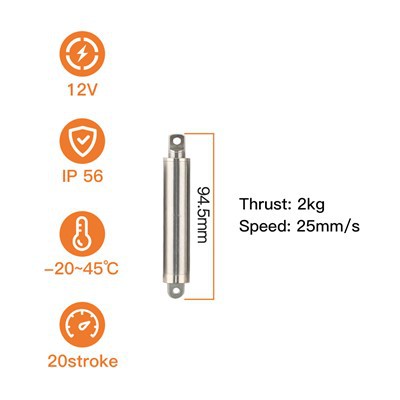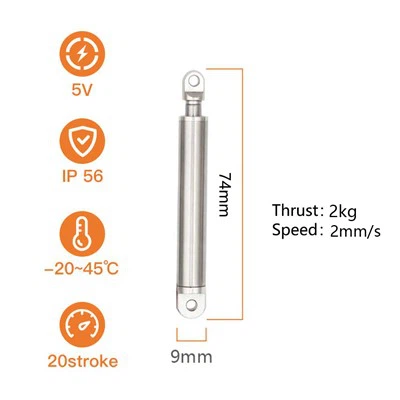
What is the electrical insulation resistance of a 6V electric actuator?
As a supplier of 6V electric actuators, I often encounter questions from customers regarding the technical specifications of our products. One of the frequently asked questions is about the electrical insulation resistance of a 6V electric actuator. In this blog post, I will delve into this topic, explaining what electrical insulation resistance is, why it is important for a 6V electric actuator, and how it is measured.
Understanding Electrical Insulation Resistance
Electrical insulation resistance is a measure of how well an electrical insulating material resists the flow of electric current. In an electric actuator, insulation is crucial to prevent electrical leakage, short - circuits, and ensure the safety and proper functioning of the device. The insulation resistance is expressed in ohms (Ω), and a higher value indicates better insulation.
For a 6V electric actuator, the insulation is designed to keep the electrical current within the intended conductive paths. The actuator consists of various components such as the motor, wiring, and control circuits. The insulation material, which can be made of substances like plastics, ceramics, or rubber, surrounds these conductive parts to prevent the current from flowing where it is not supposed to.
Importance of Insulation Resistance in a 6V Electric Actuator
Safety
Safety is the primary concern when it comes to electrical devices. A low insulation resistance in a 6V electric actuator can lead to electrical leakage. This leakage can pose a risk of electric shock to users, especially in environments where the actuator is accessible or in contact with human operators. Moreover, electrical leakage can also cause damage to other equipment in the vicinity, leading to potential fire hazards.
Performance
Proper insulation resistance is essential for the actuator to perform its intended function. If there is electrical leakage, it can disrupt the normal operation of the actuator. For example, the motor may not receive the correct amount of power, leading to reduced torque, slower operation, or even complete failure. In addition, electrical interference caused by leakage can affect the control signals of the actuator, resulting in inaccurate positioning or erratic movement.
Long - term Reliability
A 6V electric actuator with high insulation resistance is more likely to have a longer service life. Insulation degradation over time can be caused by factors such as temperature, humidity, and mechanical stress. By maintaining a high initial insulation resistance, the actuator can better withstand these environmental factors and continue to operate reliably for an extended period.
Measuring the Electrical Insulation Resistance of a 6V Electric Actuator
Using a Megohmmeter
The most common method for measuring insulation resistance is by using a megohmmeter, also known as a megger. A megger is a specialized instrument that applies a high - voltage test signal to the insulation and measures the resulting current. The insulation resistance is then calculated using Ohm's law (R = V/I), where V is the test voltage and I is the measured current.
When measuring the insulation resistance of a 6V electric actuator, it is important to follow the manufacturer's instructions. Typically, the actuator should be disconnected from the power source and any control circuits before the measurement. The test leads of the megger are connected to the conductive parts of the actuator and the ground or other appropriate reference points.
Test Conditions
The insulation resistance measurement is affected by various factors, including temperature and humidity. In general, insulation resistance decreases with increasing temperature and humidity. Therefore, it is important to note the test conditions and compare the measured values with the manufacturer's specifications under similar conditions. For example, a 6V electric actuator may have a specified minimum insulation resistance of 10 megohms at 25°C and 50% relative humidity.


Factors Affecting the Insulation Resistance of a 6V Electric Actuator
Environmental Conditions
As mentioned earlier, temperature and humidity have a significant impact on insulation resistance. High temperatures can cause the insulation material to expand and become more conductive, while high humidity can allow moisture to penetrate the insulation, reducing its resistance. In addition, exposure to chemicals, dust, and other contaminants can also damage the insulation, leading to a decrease in resistance.
Age and Usage
Over time, the insulation material in a 6V electric actuator can degrade due to normal wear and tear. Frequent operation, especially under high - stress conditions, can cause mechanical stress on the insulation, leading to cracks and other forms of damage. As the insulation degrades, the insulation resistance will gradually decrease.
Design and Manufacturing Quality
The design and manufacturing process of the actuator also play a crucial role in determining the insulation resistance. High - quality insulation materials and proper manufacturing techniques can ensure a high initial insulation resistance and better long - term performance. For example, proper sealing of the actuator can prevent the ingress of moisture and contaminants, maintaining the integrity of the insulation.
Typical Insulation Resistance Values for a 6V Electric Actuator
The typical insulation resistance values for a 6V electric actuator can vary depending on the specific design and application. However, in general, a good - quality 6V electric actuator should have an insulation resistance of at least 1 megohm. In some cases, especially for actuators used in critical applications or harsh environments, the insulation resistance may need to be much higher, such as 10 megohms or more.
It is important to note that these values are only guidelines, and the actual insulation resistance requirements should be determined based on the specific application and safety standards. For example, in medical or aerospace applications, where safety is of utmost importance, the insulation resistance requirements may be significantly higher.
Conclusion
In conclusion, the electrical insulation resistance of a 6V electric actuator is a critical parameter that affects its safety, performance, and long - term reliability. As a supplier of 6V electric actuators, we ensure that our products meet the highest standards of insulation resistance. We use high - quality insulation materials and advanced manufacturing processes to produce actuators with excellent insulation performance.
If you are in the market for a 6V electric actuator, whether it's a Fast Electric Actuator, need Electric Actuator Control, or are interested in an Electric Linear Actuator, we can provide you with reliable and high - performance solutions. Our team of experts is always ready to assist you in selecting the right actuator for your specific application. Please feel free to contact us for more information or to discuss your procurement needs.
References
- Electrical Engineering Handbook, CRC Press
- Standards for Electrical Insulation Testing, IEEE