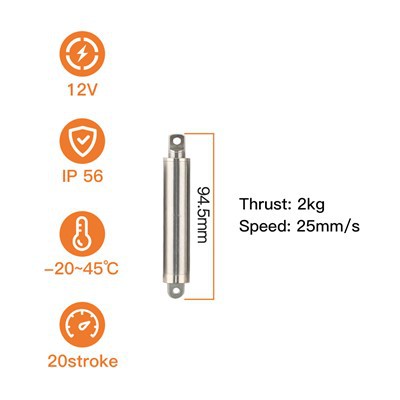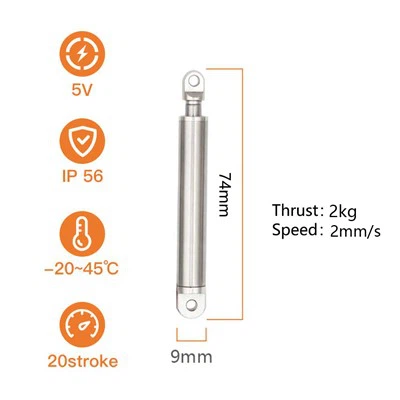
As a supplier of 12V linear motors, I often get asked about the efficiency of these motors. Efficiency is a crucial factor when it comes to choosing the right motor for your application, as it directly impacts energy consumption, operating costs, and overall performance. In this blog post, I'll delve into the concept of efficiency in 12V linear motors, explore the factors that affect it, and discuss how you can optimize it for your specific needs.
Understanding Efficiency in 12V Linear Motors
Efficiency in a 12V linear motor refers to the ratio of the useful mechanical power output to the electrical power input. It is typically expressed as a percentage. A higher efficiency means that more of the electrical energy supplied to the motor is converted into useful mechanical work, while less is wasted as heat. For example, if a 12V linear motor has an efficiency of 80%, it means that 80% of the electrical power input is converted into mechanical power, and the remaining 20% is lost as heat.
The efficiency of a 12V linear motor is influenced by several factors, including the motor's design, the materials used, the operating conditions, and the load it is driving. Let's take a closer look at each of these factors.
Factors Affecting the Efficiency of 12V Linear Motors
Motor Design
The design of a 12V linear motor plays a significant role in its efficiency. Motors with a well-designed magnetic circuit can minimize magnetic losses and improve the conversion of electrical energy into mechanical energy. For instance, a motor with a high-quality stator and rotor design can reduce eddy current losses and hysteresis losses, which are common sources of energy waste in motors.
Another important aspect of motor design is the winding configuration. A properly wound motor can reduce resistance and improve the flow of current, resulting in higher efficiency. Additionally, the use of advanced control techniques, such as pulse width modulation (PWM), can also enhance the efficiency of the motor by adjusting the voltage and current supplied to the motor based on the load requirements.
Materials Used
The materials used in the construction of a 12V linear motor can also have a significant impact on its efficiency. High-quality magnetic materials, such as neodymium magnets, can provide a stronger magnetic field, which can improve the motor's performance and efficiency. Similarly, the use of low-resistance copper wire in the motor's windings can reduce electrical losses and improve the flow of current.
In addition to the magnetic and electrical materials, the choice of bearings and other mechanical components can also affect the efficiency of the motor. Low-friction bearings can reduce mechanical losses and improve the overall efficiency of the motor.
Operating Conditions
The operating conditions of a 12V linear motor can have a significant impact on its efficiency. For example, the temperature of the motor can affect its performance and efficiency. Motors operating at high temperatures can experience increased resistance and reduced magnetic strength, which can lead to lower efficiency. Therefore, it is important to ensure that the motor is operated within its recommended temperature range.
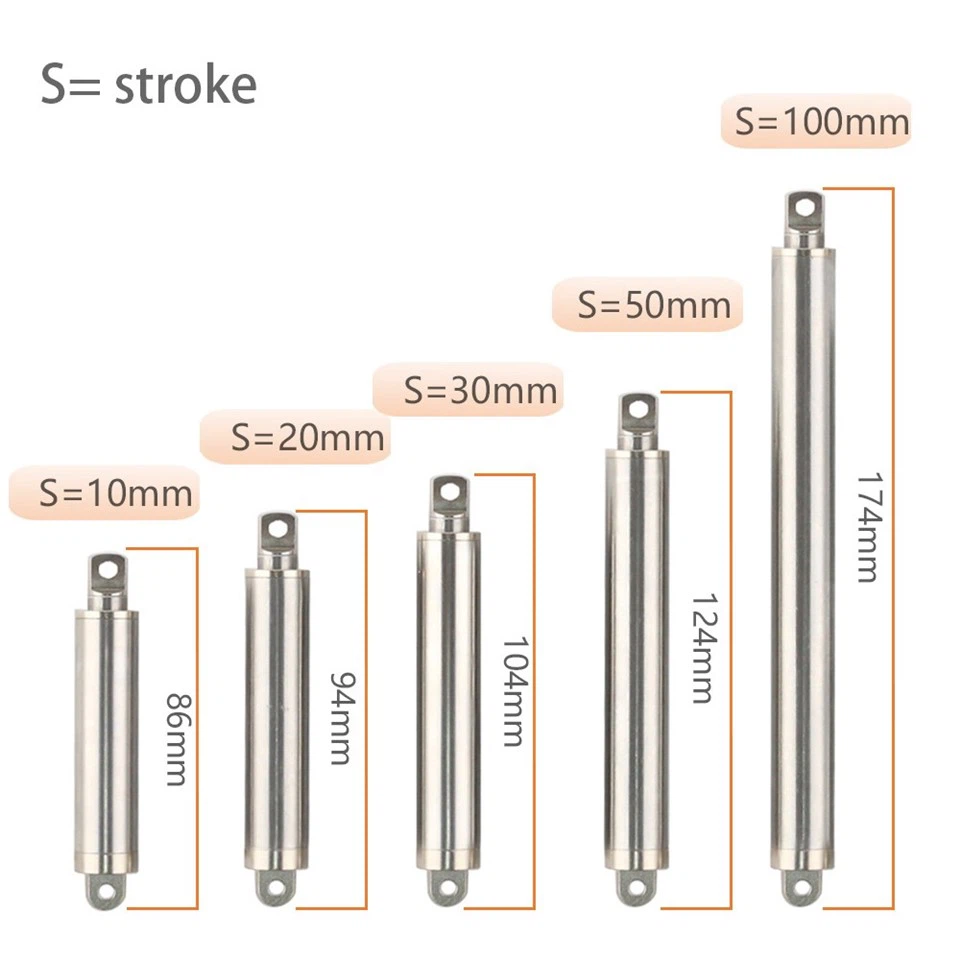
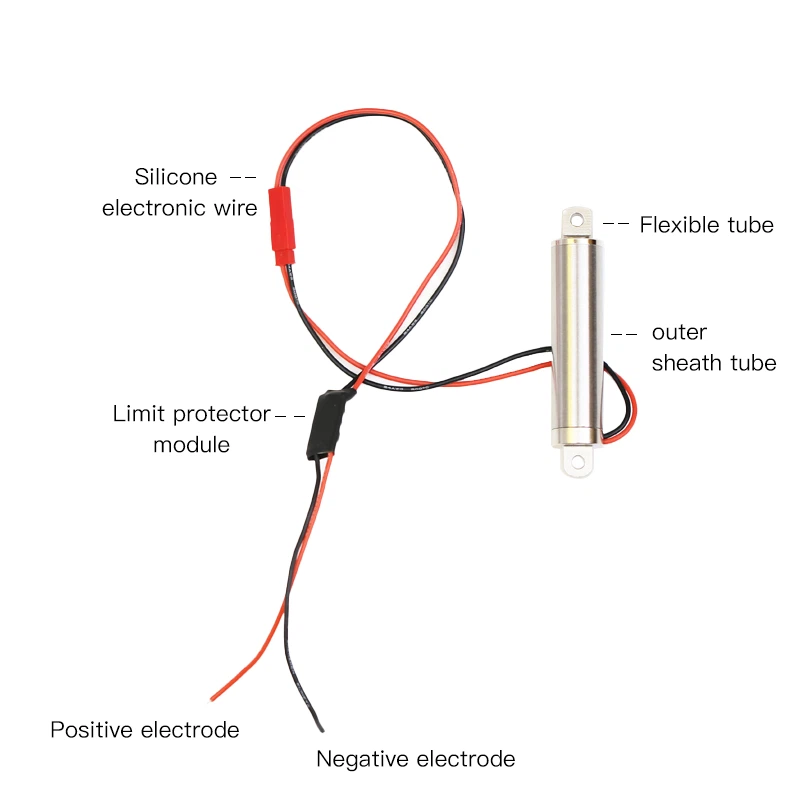
The speed and load of the motor also play a crucial role in its efficiency. Motors operating at their rated speed and load typically achieve the highest efficiency. Operating the motor at a speed or load that is significantly different from its rated values can result in reduced efficiency and increased energy consumption.
Load Characteristics
The characteristics of the load that the 12V linear motor is driving can also affect its efficiency. For example, a motor driving a constant load will typically have a higher efficiency than a motor driving a variable load. This is because a constant load allows the motor to operate at a more stable operating point, which can optimize its performance and efficiency.
In addition to the load type, the inertia of the load can also affect the efficiency of the motor. A high-inertia load requires more energy to accelerate and decelerate, which can result in lower efficiency. Therefore, it is important to match the motor's specifications to the load requirements to ensure optimal efficiency.
Measuring the Efficiency of 12V Linear Motors
Measuring the efficiency of a 12V linear motor requires accurate measurement of the electrical power input and the mechanical power output. The electrical power input can be measured using a power meter, which measures the voltage and current supplied to the motor. The mechanical power output can be measured using a dynamometer, which measures the force and speed of the motor's output shaft.
Once the electrical power input and the mechanical power output have been measured, the efficiency of the motor can be calculated using the following formula:
Efficiency (%) = (Mechanical Power Output / Electrical Power Input) x 100
It is important to note that the efficiency of a 12V linear motor can vary depending on the operating conditions and the load it is driving. Therefore, it is recommended to measure the efficiency of the motor under different operating conditions and loads to get a more accurate understanding of its performance.
Optimizing the Efficiency of 12V Linear Motors
To optimize the efficiency of a 12V linear motor, it is important to consider the factors discussed above and take appropriate measures to minimize energy losses. Here are some tips to help you optimize the efficiency of your 12V linear motor:
Choose the Right Motor
Selecting the right 12V linear motor for your application is crucial for achieving optimal efficiency. Consider the load requirements, the operating conditions, and the desired performance when choosing a motor. Make sure to choose a motor that is rated for the expected load and speed, and that has a high efficiency rating.
Use High-Quality Components
Using high-quality components in the construction of the motor can help improve its efficiency. Choose motors that are made with high-quality magnetic materials, low-resistance copper wire, and low-friction bearings. These components can reduce energy losses and improve the overall performance of the motor.
Optimize the Operating Conditions
Operating the 12V linear motor within its recommended temperature, speed, and load range can help improve its efficiency. Make sure to provide adequate cooling to the motor to prevent overheating, and avoid operating the motor at speeds or loads that are significantly different from its rated values.
Implement Advanced Control Techniques
Implementing advanced control techniques, such as PWM, can help optimize the efficiency of the 12V linear motor. PWM allows the motor to operate at a variable voltage and current, which can adjust the motor's speed and torque based on the load requirements. This can result in significant energy savings and improved efficiency.
Conclusion
The efficiency of a 12V linear motor is an important factor to consider when choosing a motor for your application. By understanding the factors that affect efficiency, measuring it accurately, and taking appropriate measures to optimize it, you can ensure that your motor operates at its highest efficiency, resulting in reduced energy consumption, lower operating costs, and improved performance.
If you are in the market for a high-efficiency 12V linear motor, I encourage you to explore our range of Linear Motor 12V products. Our motors are designed and manufactured using the latest technology and high-quality materials to ensure optimal performance and efficiency. We also offer a variety of Linear Actuator 12V and 12V Actuator Motor options to meet your specific needs.
If you have any questions or would like to discuss your requirements further, please don't hesitate to contact us. We look forward to working with you to find the perfect solution for your application.
References
- Chapman, S. J. (2012). Electric Machinery Fundamentals. McGraw-Hill Education.
- Fitzgerald, A. E., Kingsley, C., & Umans, S. D. (2003). Electric Machinery. McGraw-Hill Education.
- Krause, P. C., Wasynczuk, O., & Sudhoff, S. D. (2013). Analysis of Electric Machinery and Drive Systems. Wiley-IEEE Press.