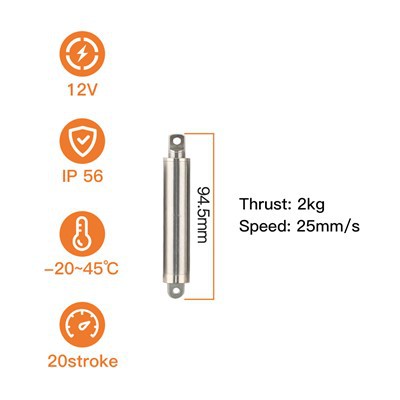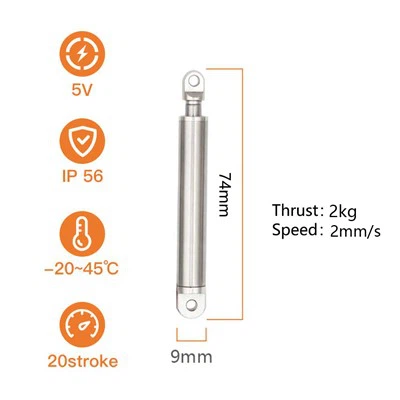
An electric actuator is a device that converts electrical energy into mechanical motion. It plays a crucial role in a wide range of industries and applications, offering precise control, reliability, and efficiency. As a supplier of electric actuators, I am excited to delve into the details of what an electric actuator is, how it works, and its various types and applications.
How an Electric Actuator Works
At its core, an electric actuator operates on the principle of electromagnetism. When an electric current is applied to a motor within the actuator, it creates a magnetic field that interacts with other components to produce mechanical movement. This movement can be linear (in a straight line) or rotary (in a circular motion), depending on the design of the actuator.
The basic components of an electric actuator typically include an electric motor, a gearbox, a drive mechanism, and a control system. The electric motor provides the power source, converting electrical energy into rotational motion. The gearbox then adjusts the speed and torque of the motor to suit the specific application requirements. The drive mechanism, which can be a screw, belt, or chain, translates the rotational motion of the motor into linear or rotary movement. Finally, the control system regulates the operation of the actuator, allowing for precise control of speed, position, and force.
Types of Electric Actuators
There are several types of electric actuators available on the market, each designed for specific applications and requirements. Some of the most common types include:
Linear Electric Actuators
Linear electric actuators are designed to produce linear motion, moving an object in a straight line. They are commonly used in applications such as industrial automation, robotics, medical equipment, and automotive systems. Linear electric actuators can be further classified into different types based on their drive mechanism, including screw-driven, belt-driven, and rodless actuators. For more information on linear electric actuators, you can visit our Electric Linear Actuator page.
Rotary Electric Actuators
Rotary electric actuators, as the name suggests, produce rotary motion, rotating an object around an axis. They are widely used in applications such as valve control, robotics, and aerospace systems. Rotary electric actuators can be classified into different types based on their design, including gear-driven, direct-drive, and stepper motor actuators.
Long Stroke Electric Linear Actuators
Long stroke electric linear actuators are specifically designed to provide a large amount of linear travel. They are commonly used in applications where a long stroke is required, such as in industrial machinery, material handling systems, and aerospace applications. Our Long Stroke Electric Linear Actuator offers a high level of precision and reliability, making it suitable for a wide range of applications.
Electric Actuator 6V
An Electric Actuator 6V is designed to operate on a 6-volt power supply. These actuators are often used in low-power applications, such as in small robotics projects, hobbyist applications, and some consumer electronics. The lower voltage requirement makes them suitable for battery-powered or low-power systems. You can find more details about our Electric Actuator 6V on our website.
Advantages of Electric Actuators
Electric actuators offer several advantages over other types of actuators, such as hydraulic and pneumatic actuators. Some of the key advantages include:
Precise Control
Electric actuators provide precise control of speed, position, and force, allowing for accurate and repeatable motion. This makes them ideal for applications where precision is critical, such as in industrial automation and robotics.
Energy Efficiency
Electric actuators are generally more energy-efficient than hydraulic and pneumatic actuators, as they only consume power when in operation. This can result in significant energy savings over time, especially in applications where the actuator is used frequently.
Clean and Quiet Operation
Unlike hydraulic and pneumatic actuators, electric actuators do not require the use of fluids or compressed air, which can lead to leaks and noise. This makes them a cleaner and quieter option, suitable for applications where a clean and quiet environment is required.
Easy Installation and Maintenance
Electric actuators are relatively easy to install and maintain, as they do not require complex piping or wiring systems. They also have fewer moving parts than hydraulic and pneumatic actuators, which reduces the risk of breakdowns and maintenance requirements.
Applications of Electric Actuators
Electric actuators are used in a wide range of industries and applications, including:
Industrial Automation
In industrial automation, electric actuators are used to control the movement of machinery and equipment, such as conveyor belts, robotic arms, and assembly lines. They provide precise control and high reliability, ensuring efficient and accurate operation.
Medical Equipment
In the medical field, electric actuators are used in a variety of equipment, such as hospital beds, surgical tables, and diagnostic machines. They offer precise control and smooth operation, ensuring the comfort and safety of patients.
Automotive Industry
In the automotive industry, electric actuators are used in applications such as power windows, door locks, and seat adjustment systems. They provide convenient and reliable operation, enhancing the comfort and functionality of vehicles.
Aerospace and Defense
In the aerospace and defense industries, electric actuators are used in applications such as aircraft control surfaces, missile guidance systems, and satellite positioning systems. They offer high performance and reliability in extreme environments, ensuring the safety and effectiveness of these critical systems.
Why Choose Our Electric Actuators
As a leading supplier of electric actuators, we offer a wide range of high-quality products that are designed to meet the diverse needs of our customers. Our electric actuators are manufactured using the latest technology and materials, ensuring superior performance, reliability, and durability.

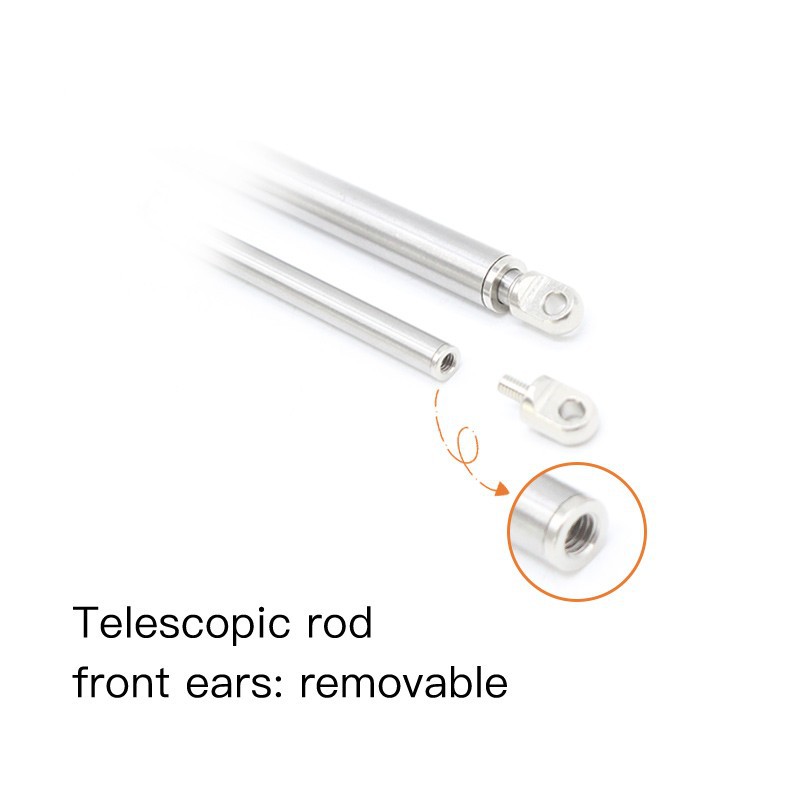
We also provide excellent customer service, offering technical support and advice to help our customers choose the right actuator for their specific application. Our team of experienced engineers and technicians is available to assist with installation, maintenance, and troubleshooting, ensuring that our customers get the most out of their electric actuators.
If you are interested in purchasing electric actuators for your application, we invite you to contact us to discuss your requirements. Our sales team will be happy to provide you with more information about our products and services, and to help you find the best solution for your needs.
Conclusion
In conclusion, an electric actuator is a versatile and essential device that plays a crucial role in a wide range of industries and applications. With its precise control, energy efficiency, clean and quiet operation, and easy installation and maintenance, it offers many advantages over other types of actuators. As a supplier of electric actuators, we are committed to providing our customers with high-quality products and excellent service. If you have any questions or need further information about our electric actuators, please do not hesitate to contact us. We look forward to working with you to meet your actuator needs.
References
- "Motion Control Handbook," by Peter Nachtwey
- "Industrial Robotics: Technology, Programming, and Applications," by Michael A. Peshkin and Edward Colgate
- "Electric Actuators: Principles, Design, and Applications," by John J. Catania