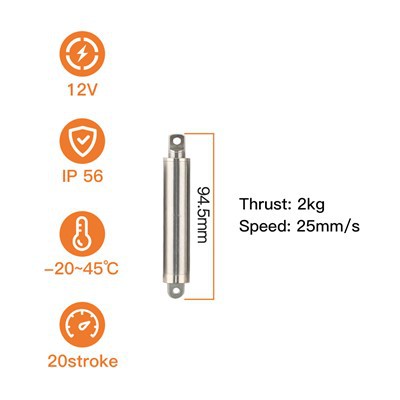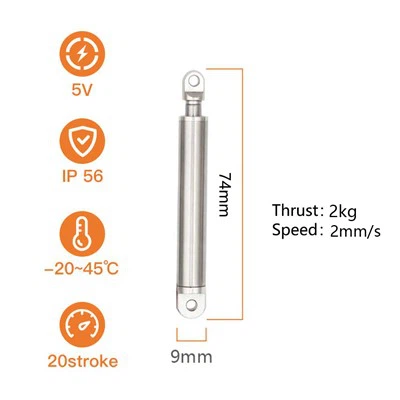
Hey there! As a supplier of Actuators Electric, I've seen my fair share of issues with electric actuators over the years. In this blog post, I'm gonna share some of the most common failures of electric actuators and how you can solve them.
1. Overheating
One of the most frequent problems with electric actuators is overheating. This can happen for a few reasons. Firstly, if the actuator is being used beyond its rated capacity, it'll generate more heat than it's designed to handle. For example, if you've got an actuator that's meant to move a certain weight but you're trying to make it move something heavier, it's gonna work extra hard and heat up.
Another reason could be poor ventilation. Electric actuators need proper airflow to dissipate the heat they generate during operation. If the actuator is installed in a tight space with no room for air to circulate, the heat will build up.
Solution:
- Check the load requirements and make sure you're using the right actuator for the job. If you need to move a heavier load, consider upgrading to a more powerful actuator like our Dc Brush Electric Actuator.
- Ensure proper ventilation. You can install the actuator in a well - ventilated area or add fans if necessary to improve air circulation around the actuator.
2. Mechanical Wear and Tear
Just like any mechanical device, electric actuators experience wear and tear over time. The moving parts such as gears, bearings, and shafts can get damaged due to friction and continuous use. This can lead to issues like reduced efficiency, increased noise, and eventually, complete failure of the actuator.
Solution:
- Regular maintenance is key. You should lubricate the moving parts at recommended intervals. This reduces friction and extends the lifespan of the components.
- Inspect the actuator regularly for signs of wear. If you notice any worn - out parts, replace them immediately. We offer high - quality replacement parts for our electric actuators to ensure smooth operation.
3. Electrical Issues
Electrical problems can also cause electric actuators to malfunction. Loose connections are a common culprit. Over time, vibrations during operation can cause wires to come loose, leading to intermittent power supply or even short circuits.
Faulty control systems can also be an issue. The control system is responsible for telling the actuator when to move and how far. If there's a problem with the controller, the actuator may not function as expected.
Solution:
- Check all electrical connections regularly. Make sure they're tight and free from corrosion. If you find any loose wires, secure them properly.
- For issues with the control system, refer to the user manual. Sometimes, a simple reset can solve the problem. If not, our Electric Actuator Control solutions can help you troubleshoot and fix the issue.
4. Incorrect Installation
Installing an electric actuator incorrectly can lead to a whole host of problems. If the actuator is not mounted properly, it can put extra stress on the components, causing premature wear and failure. Also, incorrect wiring can lead to electrical issues and improper operation.


Solution:
- Follow the installation instructions carefully. Make sure the actuator is mounted securely and in the correct position.
- Double - check the wiring to ensure it's done correctly. If you're not confident in your installation skills, consider hiring a professional.
5. Environmental Factors
The environment in which the electric actuator operates can have a big impact on its performance. Exposure to moisture, dust, and extreme temperatures can all cause damage. For example, if the actuator is installed in a humid environment, moisture can cause corrosion of the electrical components and mechanical parts.
Solution:
- Choose an actuator that's suitable for the environment. We offer actuators with different protection ratings for different environmental conditions. For example, if you need an actuator for a wet environment, you can look into our waterproof models.
- If possible, install protective enclosures to shield the actuator from dust, moisture, and extreme temperatures.
6. Feedback Sensor Problems
Many electric actuators use feedback sensors to provide information about the position and movement of the actuator. If these sensors malfunction, the control system may not be able to accurately control the actuator, leading to incorrect positioning or erratic movement.
Solution:
- Check the sensors for any signs of damage or loose connections. If the sensor is damaged, replace it.
- Calibrate the sensors regularly to ensure accurate readings.
7. Power Supply Issues
An unstable or incorrect power supply can cause problems for electric actuators. If the voltage is too high or too low, it can damage the electrical components of the actuator. For example, a voltage spike can cause a short circuit, while low voltage may not provide enough power for the actuator to operate properly.
Solution:
- Use a stable power supply. Make sure the voltage and current ratings match the requirements of the actuator.
- Consider using a voltage regulator or surge protector to protect the actuator from power fluctuations.
Why Choose Our Actuators
Our company offers a wide range of high - quality electric actuators, including Electric Cylinder 6V. We take pride in the reliability and performance of our products. Our actuators are designed with the latest technology and are built to last.
We also provide excellent customer support. If you encounter any issues with our actuators, our team of experts is always ready to help you troubleshoot and find a solution. Whether it's a simple installation question or a complex technical problem, we're here for you.
Contact Us for Procurement
If you're in the market for electric actuators, we'd love to hear from you. Our products are suitable for a variety of applications, from industrial automation to home DIY projects. Whether you need a small actuator for a simple task or a large, powerful one for heavy - duty applications, we've got you covered.
Don't hesitate to reach out to us to discuss your specific requirements. We can help you choose the right actuator for your needs and provide you with a competitive quote. Let's work together to find the perfect solution for your projects.
References
- Manufacturer's manuals for electric actuators
- Industry standards and best practices for electric actuator maintenance and troubleshooting