As a supplier of Tiny Linear Actuators, I often get asked about how to synchronize multiple of these little workhorses. It's a crucial question, especially for applications where precision and coordinated movement are a must. In this blog, I'll share some practical tips and methods to help you achieve synchronization with multiple tiny linear actuators.
Why Synchronization Matters
Before we dive into the how - to, let's talk about why synchronization is so important. In many industrial, automation, and even DIY projects, you might need multiple actuators to move in tandem. For example, in a robotic arm, all the joints need to move precisely at the same time to perform complex tasks. If the actuators aren't synchronized, the whole system can malfunction, leading to inaccurate movements, potential damage to the equipment, and wasted time and resources.
Understanding Tiny Linear Actuators
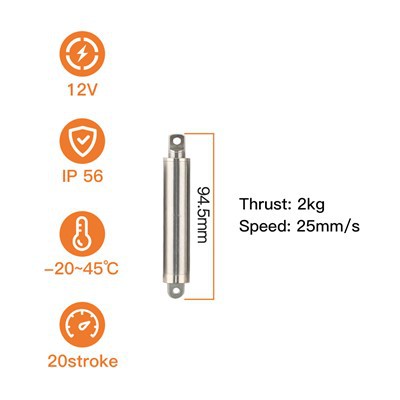
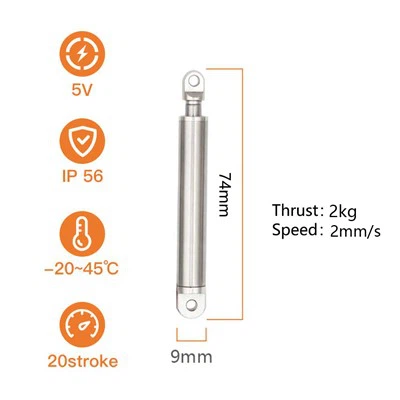
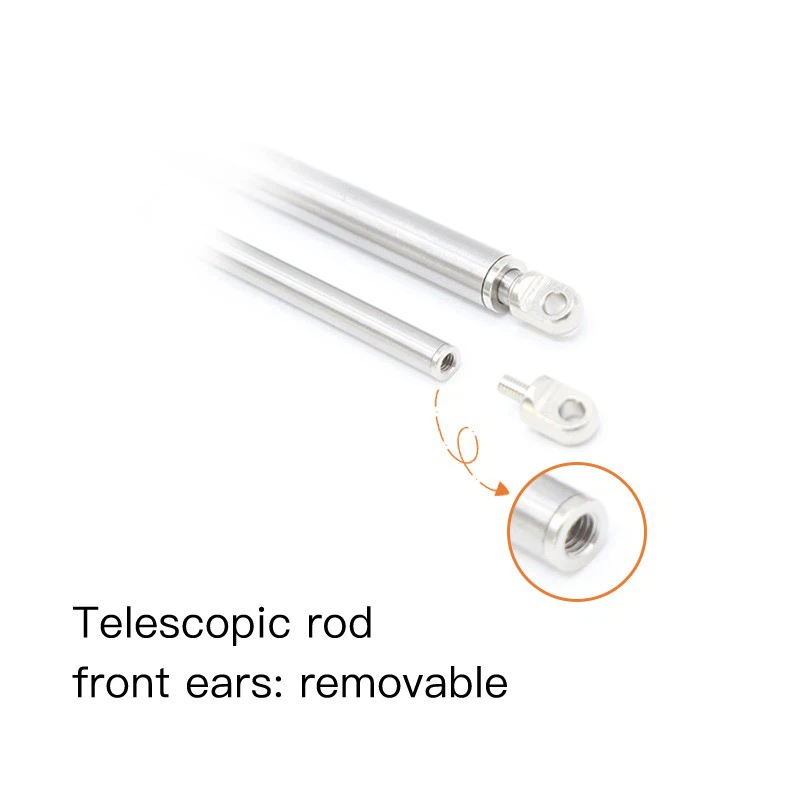
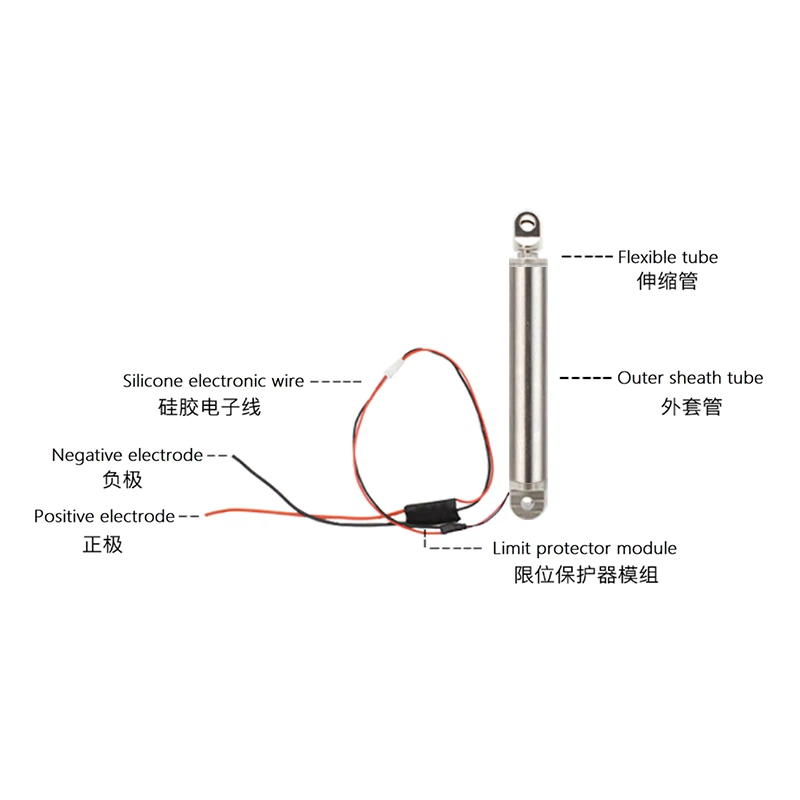
First off, let's have a quick refresher on Tiny Linear Actuators. These are compact devices that convert electrical energy into linear motion. They're great for applications where space is limited, and you need a precise and controlled movement. They come in various sizes, force ratings, and stroke lengths, making them versatile for different projects.
Methods of Synchronization
1. Using a Common Power Source
One of the simplest ways to synchronize multiple tiny linear actuators is by using a common power source. When all the actuators are connected to the same power supply, they'll receive the same electrical input at the same time. This can help them start and stop moving in unison.
However, there are some limitations to this method. For instance, if the actuators have different internal resistances or mechanical loads, they might not move at exactly the same speed or distance. Even a small difference in the load can cause one actuator to lag behind the others.
2. Master - Slave Configuration
In a master - slave setup, one actuator is designated as the master, and the others are slaves. The master actuator controls the movement, and the slaves follow its lead. You can use sensors and control circuits to ensure that the slaves mimic the master's position and speed.
For example, you can attach position sensors to the master actuator. These sensors will send signals to the control unit, which then adjusts the power supply to the slave actuators to match the master's movement. This method is more accurate than using a common power source, but it requires more complex wiring and control systems.
3. Using a Programmable Logic Controller (PLC)
A PLC is a powerful tool for synchronizing multiple actuators. It allows you to program specific movement sequences and timings for each actuator. You can set up the PLC to send signals to the actuators at the right time, ensuring that they move in a coordinated manner.
With a PLC, you can also make adjustments on the fly. If you need to change the movement pattern or speed of the actuators, you can simply reprogram the PLC. This makes it a flexible solution for different applications. However, PLCs can be expensive and require some technical knowledge to program.
4. Wireless Synchronization
In some cases, you might not want to deal with a lot of wiring. That's where wireless synchronization comes in. You can use wireless communication protocols, such as Bluetooth or Wi - Fi, to connect the actuators to a central control unit.
The control unit can then send commands to the actuators wirelessly, allowing them to move in sync. This method is great for applications where you need to make quick changes or where wiring is difficult. But it also has some drawbacks, such as potential interference from other wireless devices and a limited range.
Factors to Consider
1. Load Balance
As mentioned earlier, the load on each actuator can affect its movement. Make sure that the loads on all the actuators are as equal as possible. If one actuator has a much heavier load than the others, it will move slower, and synchronization will be difficult to achieve.
2. Actuator Specifications
Ensure that all the actuators you're using have similar specifications. This includes factors like force rating, stroke length, and speed. Using actuators with different specifications can lead to uneven movement and make synchronization more challenging.
3. Environmental Conditions
The environment in which the actuators operate can also impact synchronization. For example, temperature, humidity, and vibration can affect the performance of the actuators. Make sure to choose actuators that are suitable for the environmental conditions of your application.
Real - World Applications
Let's take a look at some real - world applications where synchronizing multiple tiny linear actuators is crucial.
1. Automated Manufacturing
In automated manufacturing processes, multiple actuators are often used to move parts along a production line. Synchronizing these actuators ensures that the parts are moved precisely and efficiently, reducing the risk of errors and increasing productivity.
2. Medical Equipment
In medical devices, such as surgical robots, multiple actuators need to work in harmony to perform delicate procedures. Synchronization is essential to ensure the safety and accuracy of these procedures.
3. Home Automation
In home automation systems, you might use multiple actuators to control things like blinds, curtains, and doors. Synchronizing these actuators can create a seamless and convenient user experience.
Conclusion
Synchronizing multiple tiny linear actuators is not always easy, but with the right methods and considerations, it can be achieved. Whether you choose a simple common power source method or a more advanced PLC - based system, make sure to take into account the load balance, actuator specifications, and environmental conditions.
If you're looking for high - quality Tiny Linear Actuators for your synchronization project, we've got you covered. We offer a wide range of actuators with different specifications to meet your needs. And if you have any questions about synchronization or need help choosing the right actuators, don't hesitate to reach out. We're here to assist you in making your project a success. Whether you're working on a small DIY project or a large - scale industrial application, our team can provide you with the expertise and products you need. Contact us today to start the procurement process and discuss how we can help you synchronize your actuators effectively.
References
- "Linear Actuator Handbook" - A comprehensive guide on linear actuators and their applications.
- Industry whitepapers on actuator synchronization techniques.
- Technical manuals from actuator manufacturers.