
As a linear drive device, electric actuators require a focus on five core aspects: proper equipment selection and adaptation, standardized installation, compliant operation, adequate maintenance, and emergency response. Standardized management throughout the entire process mitigates risks such as mechanical damage and electrical failure. Specific safety measures are outlined below:
1. Selection Phase: Match the operating conditions to the source and eliminate inherent hazards.
Improper selection can easily lead to safety issues such as overload and loss of control, requiring precise matching to application requirements:
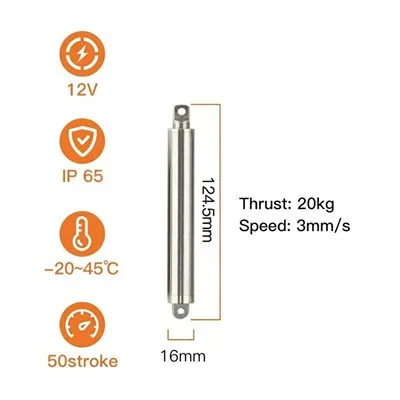
Parameter Matching: Based on load weight, operating speed, stroke length, and operating frequency, select a model with a rated load and thrust/pull force that meets the requirements. Allow a safety margin of at least 20% to avoid prolonged full-load operation. Also, ensure that the operating environment (temperature, humidity, dust, and corrosiveness) matches the electric actuator's IP rating. For example, models with IP65 or higher should be selected for humid environments.
Safety Feature Selection: Prioritize models equipped with travel limit switches, overload protection, and emergency stop devices. For special operating conditions (such as high-altitude operations and heavy loads), additional fall arrest devices and buffers can be added for enhanced safety redundancy.
2.Installation and Commissioning Phase: Standardize Operations and Build a Solid Safety Foundation
The standardization of installation and commissioning directly impacts the operational stability of the equipment and requires strict adherence to the following procedures:
Compliant Installation:
Before installation, disconnect the power supply and have professional personnel perform the installation. Ensure the mounting surface is flat and secure, and that the connection methods to the driven components (such as hinges and flanges) meet design requirements to prevent force offset and jamming.
Electrical wiring must verify voltage levels, ensure that the positive and negative poles, control signal cables, and grounding are correct, and that cables are routed away from sharp components and high-temperature areas, with no damage to the insulation.
Strict Commissioning:
No-load Commissioning: Test the motor's rotation direction and smooth operation. Check the effectiveness of the travel limit switches to ensure that the actuator automatically stops at both end positions.
Load Commissioning: Gradually increase the load to verify normal thrust/pull forces. Observe for any abnormal noise, vibration, or overheating during operation. Also, test the overload protection function to confirm that it shuts off the power supply in the event of an overload. Safety precautions: Install guardrails and warning signs (such as "Caution of Pinch" and "Keep Out") within the actuator's operating range to prevent accidental entry. If the actuator is installed at height or in a hazardous location, install a fall-prevention device.
3.Daily Operation: Standardize operations to avoid human risk
Proper operator operation is key to safe use, and clear operating procedures must be established:
Qualifications: Operators must undergo professional training and be familiar with the equipment's structure, control logic, and safety precautions. Unqualified personnel are prohibited from operating.
Pre-operation Inspection: Before starting, confirm that the power supply voltage is stable and the control signal is normal. Inspect the actuator for damage and loose connections. Clear any obstructions within the operating range and ensure that no unauthorized personnel are present.
Operational Instructions: Do not touch moving parts or adjust connections while the actuator is operating. Overloading or forced changes in operating direction are strictly prohibited. Adjustments to parameters such as stroke and speed must be made only after the machine has been shut down and performed by a qualified professional. Modifying safety protection parameters at will is prohibited. Real-time Monitoring: Closely monitor the equipment during operation. If any abnormalities such as unusual noises, odors, overheating (housing temperature exceeds the specified value), vibration, or control failure occur, immediately shut down and power off the equipment. Troubleshoot the problem before restarting.
4.Regular Maintenance: Prevention is key to reducing potential failures.
Extend equipment life and eliminate potential risks through regular maintenance:
Develop a maintenance plan:
Daily Inspection: Check the exterior cleanliness, tightening of connecting bolts, and cable wear, and record operating status.
Weekly Maintenance: Clean dust and oil from the equipment surface, check lubrication conditions, and apply special lubricant to transmission components (such as screws and gears) to prevent dry friction.
Monthly Inspection: Test the effectiveness of safety devices such as travel limits, overload protection, and emergency stop; inspect motor insulation to prevent leakage.
Environmental Maintenance: Keep the equipment's surroundings clean and dry to avoid the accumulation of dust and corrosive gases. Provide heat dissipation measures in high-temperature environments, and take precautions against freezing in low-temperature environments to prevent component damage.
5.Emergency Response Phase: Rapid Response to Reduce Accident Losses
Develop emergency plans to ensure safe handling of sudden failures:
Emergency Shutdown: In the event of equipment anomalies or safety incidents, immediately press the emergency stop button or shut off the main power supply. If process systems are involved, all associated supporting equipment must be shut down to prevent secondary hazards.
Fault Handling: Before emergency repairs, a "tagout and lockout" system must be implemented. Ensure that the power supply is completely shut off and conduct an electrical test. Repair personnel must wear protective equipment such as insulating gloves and goggles. For stuck equipment, force-starting the equipment is prohibited. Dismantle and inspect the equipment to remove any obstructions. Electrical faults must be handled by professional electricians. Non-professionals are prohibited from disassembling motors, controllers, and other components.
Accident Recording and Review: Detailed records of the cause of the failure, the handling process, and the damage incurred will be maintained. Regular reviews and summaries will be conducted to optimize the selection, installation, and operating procedures to prevent similar incidents from recurring.