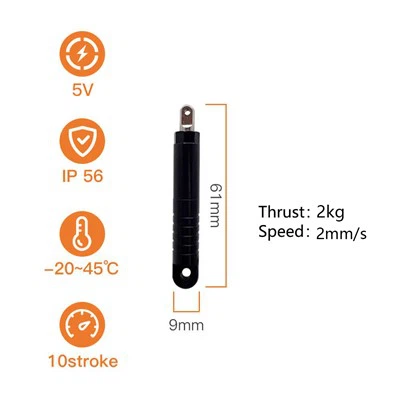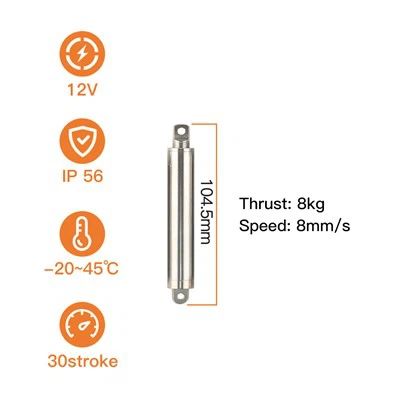
As a well - established supplier of fast electric actuators, I've witnessed the evolution of these remarkable devices over the years. Fast electric actuators are crucial components in various industries, from automotive to aerospace, and their performance largely depends on the materials used in their construction. In this blog, I'll delve into the key materials that go into making a high - quality fast electric actuator.
1. Metals
Metals are the backbone of fast electric actuators, providing strength, durability, and conductivity.
Steel
Steel is one of the most commonly used metals in actuator construction. It offers excellent strength - to - weight ratio, which is essential for applications where the actuator needs to generate high forces while remaining relatively lightweight. High - strength steels, such as alloy steels, are often used in the construction of actuator bodies and shafts. These steels can withstand high stress and fatigue, ensuring a long service life. For example, in industrial automation, where actuators are frequently used to move heavy loads, steel - made actuators can handle the repetitive stress without significant wear.


Aluminum
Aluminum is another popular choice due to its low density and good corrosion resistance. It is often used in the housing of fast electric actuators. The lightweight nature of aluminum reduces the overall weight of the actuator, which is beneficial in applications where weight is a critical factor, such as in aerospace or robotics. Additionally, aluminum can be easily machined, allowing for complex shapes and designs. This makes it possible to optimize the actuator's structure for better performance. For instance, in some small - scale robotic arms, aluminum - housing actuators enable more agile and efficient movement.
Copper
Copper is an excellent conductor of electricity, and it plays a vital role in the electrical components of fast electric actuators. It is commonly used in the windings of the electric motor within the actuator. The high electrical conductivity of copper ensures efficient transfer of electrical energy, which translates into better motor performance. A well - designed copper winding can reduce energy losses and improve the overall efficiency of the actuator. This is especially important in applications where energy consumption needs to be minimized, like in battery - powered devices.
2. Plastics
Plastics have become increasingly important in the construction of fast electric actuators, offering unique properties that complement those of metals.
Polycarbonate
Polycarbonate is a strong and transparent plastic that is often used in the protective covers of actuators. It provides excellent impact resistance, protecting the internal components from physical damage. Its transparency allows for easy visual inspection of the actuator's operation, which is useful for maintenance and troubleshooting. For example, in some laboratory equipment, polycarbonate - covered actuators allow researchers to monitor the movement of the actuator without having to open the device.
Acetal
Acetal plastics are known for their low friction and high wear resistance. They are commonly used in the bushings and bearings of fast electric actuators. The low - friction property of acetal reduces the energy required for the actuator to move, improving its efficiency. Moreover, its high wear resistance ensures a long service life for these critical components. In applications where smooth and precise movement is required, such as in medical devices, acetal - based bushings and bearings contribute to the accurate operation of the actuator.
3. Ceramics
Ceramics are used in specific parts of fast electric actuators where their unique properties are highly beneficial.
Alumina Ceramics
Alumina ceramics are often used as insulators in the electrical components of actuators. They have excellent electrical insulation properties, which prevent electrical leakage and ensure the safe operation of the actuator. Additionally, alumina ceramics have high thermal conductivity, which helps in dissipating heat generated during the operation of the electrical components. This is crucial in maintaining the optimal temperature of the actuator and preventing overheating, especially in high - power applications.
Piezoelectric Ceramics
Piezoelectric ceramics are used in some advanced fast electric actuators. These ceramics can generate an electric charge when subjected to mechanical stress, and vice versa. This property is used to create precise and rapid movements in the actuator. For example, in some high - speed micro - positioning systems, piezoelectric ceramics enable extremely accurate and fast adjustments, making them ideal for applications such as semiconductor manufacturing.
4. Composites
Composites are materials made by combining two or more different materials to achieve specific properties.
Carbon Fiber Composites
Carbon fiber composites are increasingly being used in the construction of fast electric actuators. They offer a very high strength - to - weight ratio, even better than some metals. Carbon fiber composites can be used in the actuator's structural components, such as the rods or frames. Their high stiffness allows for more precise movement, while their low weight reduces the inertia of the actuator, enabling faster response times. In high - performance automotive applications, carbon fiber - reinforced actuators can enhance the vehicle's overall performance.
Applications and Links
The choice of materials in fast electric actuators directly impacts their performance in different applications. For those interested in specific types of actuators, we offer a range of products. Our Dc Brush Electric Actuator is a reliable option for applications requiring a simple and efficient power source. The Electric Cylinder 6V is suitable for low - voltage applications, providing a compact and powerful solution. And for those who need to control the operation of the actuator precisely, our Electric Actuator Control system offers advanced features for optimal performance.
Conclusion
The construction of a fast electric actuator is a complex process that involves careful selection of materials. Each material contributes to the actuator's overall performance, including its strength, speed, efficiency, and durability. As a supplier, we understand the importance of using high - quality materials to meet the diverse needs of our customers. Whether you are in the automotive, aerospace, medical, or any other industry, our fast electric actuators are designed to provide reliable and efficient performance.
If you are interested in learning more about our fast electric actuators or are considering a purchase, we encourage you to reach out to us. Our team of experts is ready to assist you in finding the right actuator for your specific application and to discuss the details of your procurement. We look forward to the opportunity to work with you and help you achieve your goals.
References
- Callister, W. D., & Rethwisch, D. G. (2011). Materials Science and Engineering: An Introduction. Wiley.
- Ashby, M. F. (2011). Materials Selection in Mechanical Design. Butterworth - Heinemann.
- Trojanowski, B. (2018). Electric Actuators: Design, Control, and Applications. CRC Press.