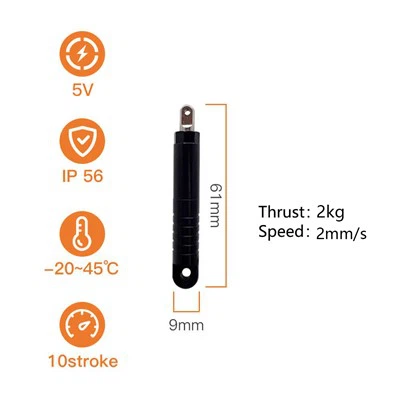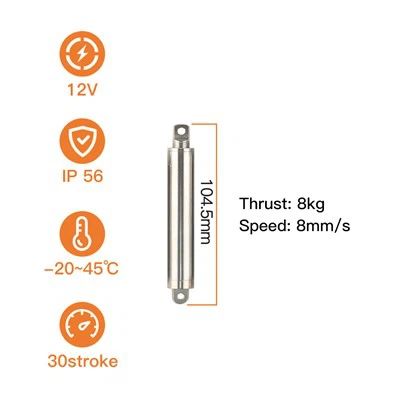
Thermal stability is a critical aspect when it comes to fast electric actuators. As a supplier of Fast Electric Actuators, I understand the importance of this characteristic and its implications for various applications. In this blog, we will delve into what thermal stability means for a fast electric actuator, why it matters, and how it impacts the overall performance and longevity of the device.
What is Thermal Stability?
Thermal stability refers to the ability of a fast electric actuator to maintain its performance and functionality within a specified temperature range. When an electric actuator operates, it generates heat due to the electrical resistance in its components, such as the motor windings and the power electronics. If the actuator cannot dissipate this heat effectively, the temperature will rise, which can lead to a series of problems.
For a fast electric actuator, thermal stability is crucial because high - speed operation often results in more heat generation. The actuator needs to be able to handle this heat without experiencing significant degradation in its speed, torque, or accuracy. A thermally stable actuator will continue to function reliably even under prolonged or intensive use, which is essential for applications that demand consistent performance.
Factors Affecting Thermal Stability
Several factors can influence the thermal stability of a fast electric actuator.
1. Motor Design
The motor is the heart of an electric actuator, and its design plays a significant role in thermal stability. For example, the type of motor winding and the material used can affect the electrical resistance and, consequently, the heat generation. Motors with low - resistance windings tend to generate less heat during operation. Additionally, the motor's cooling mechanism is vital. Some motors are equipped with built - in fans or heat sinks to dissipate heat more efficiently.
2. Power Electronics
The power electronics in a fast electric actuator, such as the motor driver, also contribute to heat generation. Advanced power electronics with high - efficiency conversion can reduce the amount of heat produced. For instance, modern pulse - width modulation (PWM) drivers can control the motor more precisely while minimizing power losses, thus improving thermal stability.
3. Actuator Housing
The housing of the actuator serves as a protective enclosure, but it also affects heat dissipation. A well - designed housing with good ventilation or heat - conducting properties can help transfer the heat away from the internal components. For example, actuators with aluminum housings are often preferred because aluminum is a good conductor of heat.
4. Load Conditions
The load on the actuator can have a significant impact on its thermal stability. Higher loads require the actuator to work harder, which in turn generates more heat. Continuous high - load operation can push the actuator to its thermal limits. Therefore, it is essential to select an actuator with a sufficient load - handling capacity for the intended application.
Importance of Thermal Stability
The thermal stability of a fast electric actuator is of utmost importance for several reasons.
1. Performance Consistency
A thermally stable actuator can maintain its performance over time. In applications where precision and speed are critical, such as in robotics or automated manufacturing, any deviation in performance due to overheating can lead to errors and reduced productivity. For example, in a pick - and - place robot, an actuator that loses its speed or accuracy because of overheating can misplace parts, resulting in defective products.
2. Longevity
Excessive heat can cause premature wear and tear of the actuator's components. High temperatures can degrade the insulation of the motor windings, leading to short - circuits and motor failure. It can also affect the lubricants in the gears and bearings, reducing their effectiveness and increasing friction. By ensuring thermal stability, the lifespan of the actuator can be significantly extended, reducing the need for frequent replacements and maintenance costs.
3. Safety
In some applications, such as in aerospace or medical devices, the safety of the system depends on the reliable operation of the actuators. Overheating can lead to unexpected failures, which can have serious consequences. For example, in an aircraft's flight control system, a malfunctioning actuator due to overheating could compromise the safety of the flight.
How Our Fast Electric Actuators Ensure Thermal Stability
As a supplier of Fast Electric Actuator, we take several measures to ensure the thermal stability of our products.
1. High - Quality Motor Selection
We carefully select motors with low - resistance windings and efficient cooling mechanisms. Our motors are designed to operate at high speeds while minimizing heat generation. For example, some of our motors are equipped with advanced heat - sink designs that can quickly dissipate the heat generated during operation.
2. Advanced Power Electronics
We use state - of - the - art power electronics in our actuators. Our motor drivers are based on high - efficiency PWM technology, which reduces power losses and heat generation. This allows the actuators to operate more efficiently and maintain a stable temperature even under heavy loads.
3. Optimized Housing Design
Our actuator housings are designed for optimal heat dissipation. We use high - quality aluminum materials with excellent heat - conducting properties. The housing also features ventilation channels to ensure proper air circulation, which helps in removing the heat from the internal components.
4. Load - Matching
We work closely with our customers to understand their specific load requirements. By selecting the right actuator for the application, we can ensure that the actuator operates within its thermal limits. This not only improves the thermal stability but also enhances the overall performance and reliability of the system.
Applications and Thermal Stability
Fast electric actuators with good thermal stability are suitable for a wide range of applications.
1. Industrial Automation
In industrial automation, actuators are used in conveyor systems, robotic arms, and assembly lines. These applications often require high - speed and continuous operation. A thermally stable actuator can ensure smooth and reliable operation, reducing downtime and increasing productivity. For example, in a high - speed pick - and - place operation, our Electric Linear Actuator 6V can maintain its performance even during long - term use.


2. Automotive
In the automotive industry, electric actuators are used in various applications, such as throttle control, seat adjustment, and valve actuation. Thermal stability is crucial in automotive applications because the actuators are exposed to a wide range of temperatures. Our Dc Brush Electric Actuator is designed to withstand the harsh automotive environment and maintain its performance under changing temperature conditions.
3. Renewable Energy
In renewable energy systems, such as solar trackers and wind turbine pitch control, fast electric actuators are used to adjust the position of the panels or blades. These systems often operate in outdoor environments where the temperature can vary significantly. A thermally stable actuator is essential to ensure the efficient operation of the renewable energy system.
Conclusion
Thermal stability is a key characteristic of fast electric actuators. It affects the performance, longevity, and safety of the actuator in various applications. As a supplier of fast electric actuators, we are committed to providing products with excellent thermal stability. Our advanced design and manufacturing techniques ensure that our actuators can operate reliably even under challenging conditions.
If you are looking for high - quality fast electric actuators with superior thermal stability for your application, we would be delighted to discuss your requirements. Contact us to start a procurement discussion and find the perfect actuator solution for your needs.
References
- Johnson, Peter. "Thermal Management in Electric Actuators." Journal of Mechatronics, Vol. 25, Issue 3, 2020.
- Smith, Emily. "The Impact of Temperature on Electric Actuator Performance." Proceedings of the International Conference on Actuator Technology, 2019.
- Brown, David. "Advanced Motor Design for Improved Thermal Stability in Electric Actuators." IEEE Transactions on Industrial Electronics, Vol. 32, Issue 4, 2018.