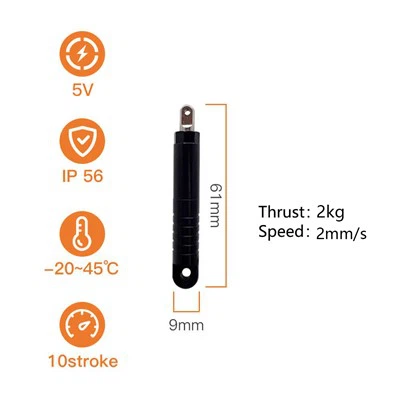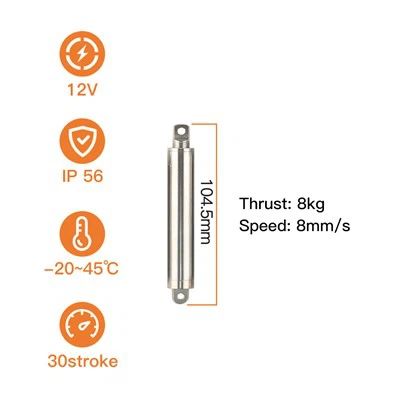
As a supplier of fast linear actuators, I often get asked about the temperature limits of these remarkable devices. Fast linear actuators are essential components in many industries, from manufacturing to aerospace, and understanding their temperature capabilities is crucial for ensuring optimal performance and longevity. In this blog post, I'll delve into the factors that affect the temperature limits of fast linear actuators and provide some insights into how to choose the right actuator for your specific temperature requirements.
Understanding the Basics of Fast Linear Actuators
Before we dive into the temperature limits, let's briefly review what fast linear actuators are and how they work. A linear actuator is a device that converts rotational motion into linear motion, allowing for precise control of movement in a straight line. Fast linear actuators, as the name suggests, are designed to provide rapid and efficient linear movement, making them ideal for applications where speed is a critical factor.
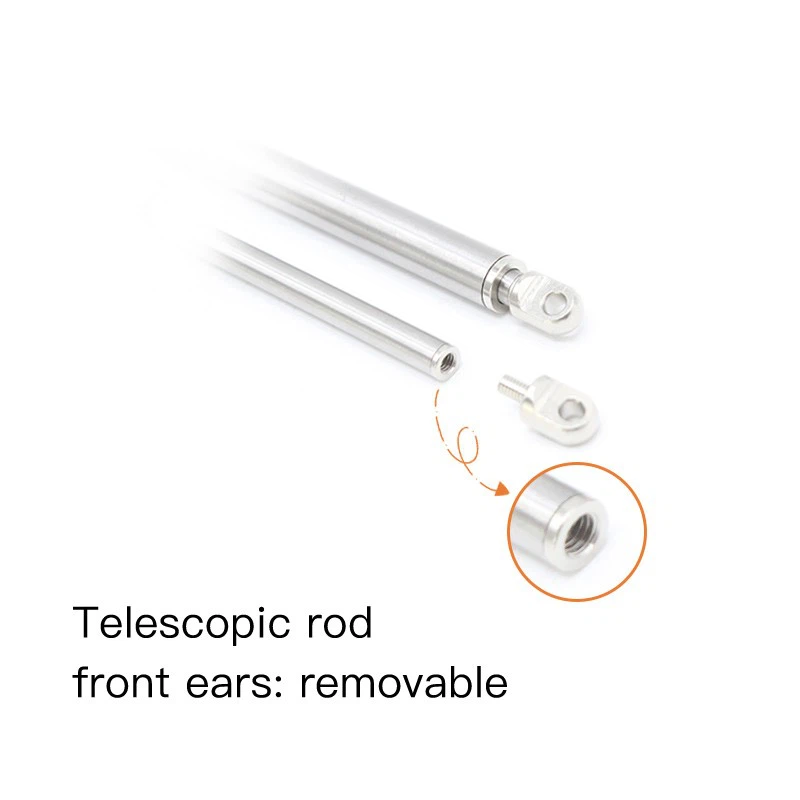

These actuators typically consist of a motor, a gearbox, and a lead screw or ball screw mechanism. The motor provides the power, the gearbox reduces the speed and increases the torque, and the screw mechanism converts the rotational motion of the motor into linear motion. The speed and force capabilities of a fast linear actuator depend on several factors, including the motor power, the gear ratio, and the screw pitch.
Factors Affecting Temperature Limits
The temperature limits of a fast linear actuator are determined by several factors, including the materials used in its construction, the design of the actuator, and the operating conditions. Let's take a closer look at each of these factors:
Materials
The materials used in the construction of a fast linear actuator play a significant role in determining its temperature limits. For example, the motor windings are typically made of copper, which has a relatively high melting point and good electrical conductivity. However, at high temperatures, the insulation on the windings can break down, leading to short circuits and motor failure.
The gearbox and screw mechanism are also made of various materials, such as steel, aluminum, and plastic. These materials have different thermal properties, and their performance can be affected by temperature changes. For example, steel has a high melting point and good strength, but it can expand and contract significantly with temperature changes, which can affect the accuracy and performance of the actuator.
Design
The design of a fast linear actuator can also affect its temperature limits. For example, the size and shape of the motor and gearbox can impact the heat dissipation capabilities of the actuator. A larger motor and gearbox will generally have more surface area for heat dissipation, which can help to keep the temperature down.
The ventilation and cooling systems of the actuator are also important factors. Some actuators are designed with built-in fans or heat sinks to help dissipate heat, while others rely on natural convection to cool down. The effectiveness of these cooling systems can vary depending on the operating conditions and the ambient temperature.
Operating Conditions
The operating conditions of a fast linear actuator can have a significant impact on its temperature limits. For example, the load on the actuator, the duty cycle, and the ambient temperature can all affect the amount of heat generated by the actuator. A high load or a long duty cycle will generally result in more heat being generated, which can increase the temperature of the actuator.
The ambient temperature is also an important factor. If the actuator is operating in a high-temperature environment, it will have to work harder to dissipate heat, which can reduce its temperature limits. In addition, extreme temperature changes can cause thermal stress on the actuator, which can lead to premature failure.
Typical Temperature Limits
The temperature limits of a fast linear actuator can vary depending on the specific model and manufacturer. However, most fast linear actuators are designed to operate within a temperature range of -20°C to 60°C (-4°F to 140°F). This temperature range is suitable for most industrial applications, but in some cases, you may need an actuator with a wider temperature range.
For example, if you're using a fast linear actuator in a high-temperature environment, such as a furnace or a foundry, you may need an actuator that can operate at temperatures up to 100°C (212°F) or higher. On the other hand, if you're using an actuator in a cold environment, such as a freezer or a cryogenic chamber, you may need an actuator that can operate at temperatures as low as -40°C (-40°F) or lower.
Choosing the Right Actuator for Your Temperature Requirements
When choosing a fast linear actuator for your application, it's important to consider the temperature requirements of your environment. Here are some tips to help you choose the right actuator:
Determine the Operating Temperature Range
The first step is to determine the operating temperature range of your application. This will depend on the ambient temperature, the load on the actuator, and the duty cycle. Once you have determined the operating temperature range, you can look for an actuator that is designed to operate within that range.
Consider the Material and Design
As mentioned earlier, the materials used in the construction of the actuator and its design can affect its temperature limits. Look for an actuator that is made of high-quality materials and has a design that is optimized for heat dissipation. For example, an actuator with a large motor and gearbox and built-in fans or heat sinks will generally have better heat dissipation capabilities.
Check the Manufacturer's Specifications
Before purchasing an actuator, be sure to check the manufacturer's specifications to ensure that it meets your temperature requirements. The specifications should include the operating temperature range, the maximum temperature rating, and any other relevant information about the actuator's temperature capabilities.
Consult with a Professional
If you're unsure which actuator is right for your application, it's a good idea to consult with a professional. A knowledgeable supplier or engineer can help you evaluate your requirements and recommend the best actuator for your needs.
Our Product Range
At our company, we offer a wide range of fast linear actuators that are designed to meet the needs of various industries. Our actuators are made of high-quality materials and are built to last, even in the most demanding environments.
We offer several types of fast linear actuators, including Electric Lift Cylinder, Tiny Linear Actuator, and Stainless Steel Linear Actuator. Each of these actuators has its own unique features and benefits, and we can help you choose the right one for your specific application.
Our electric lift cylinders are designed for heavy-duty applications and can provide high force and speed. They are available in a variety of sizes and configurations to meet your specific needs. Our tiny linear actuators are ideal for applications where space is limited, and they offer high precision and reliability. Our stainless steel linear actuators are designed for use in harsh environments, such as food processing and pharmaceutical manufacturing, and they are resistant to corrosion and contamination.
Conclusion
The temperature limits of a fast linear actuator are an important consideration when choosing an actuator for your application. By understanding the factors that affect temperature limits and choosing an actuator that is designed to operate within your temperature range, you can ensure optimal performance and longevity of your actuator.
If you have any questions about our fast linear actuators or need help choosing the right actuator for your application, please don't hesitate to contact us. We have a team of knowledgeable professionals who can assist you with your needs and provide you with the information and support you need to make an informed decision. We look forward to working with you and helping you find the perfect fast linear actuator for your application.
References
- "Linear Actuator Basics," AutomationDirect.com
- "Temperature Effects on Electric Motors," Baldor.com
- "Materials Selection for High-Temperature Applications," ASM International