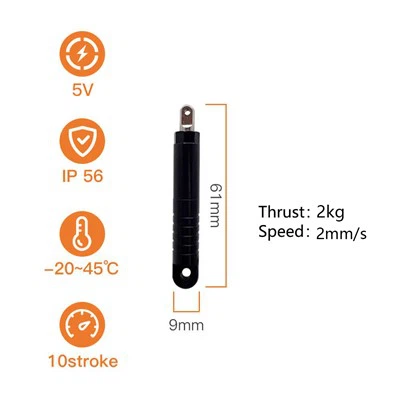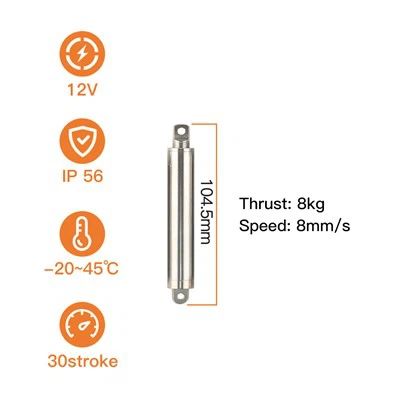
Hey there! As a supplier in the micro actuator game, I'm super stoked to chat about the latest happenings in micro actuator technology. It's a field that's constantly evolving, and there are some really cool developments that are shaping the future of various industries.
Let's start with what micro actuators are for those who might not be in the know. Micro actuators are tiny devices that can convert energy into motion. They're used in a ton of applications, from medical devices to consumer electronics, and even in aerospace. These little guys pack a big punch, despite their small size.
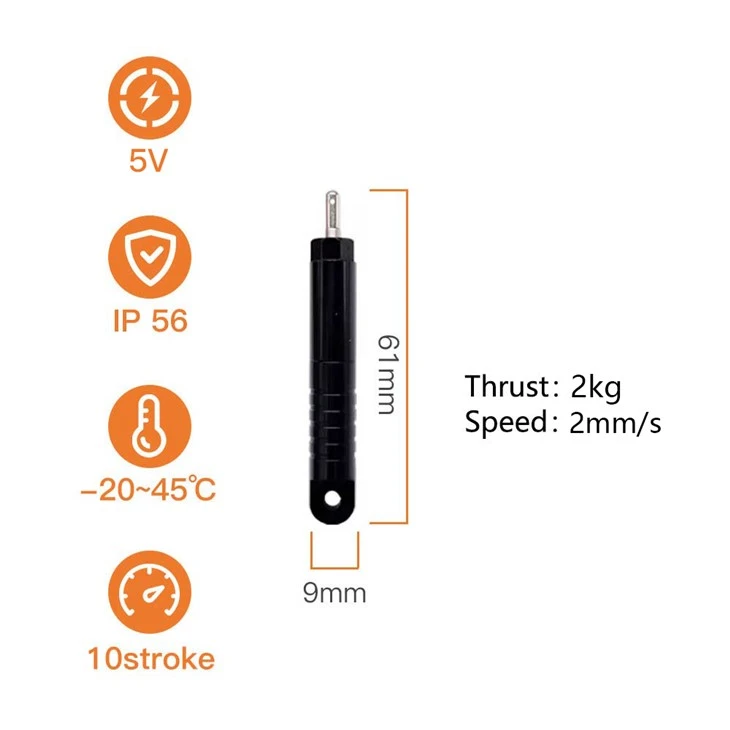

One of the most significant trends in micro actuator technology is the push towards miniaturization. Manufacturers are constantly finding ways to make these devices even smaller without sacrificing performance. This is crucial because in many industries, space is at a premium. For example, in wearable devices, every millimeter counts. Smaller micro actuators allow for more compact and lightweight designs, which is a huge plus for consumers.
Another area of development is the improvement of energy efficiency. Micro actuators are often used in battery-powered devices, so reducing power consumption is a top priority. New materials and designs are being explored to make these devices more energy-efficient. For instance, some researchers are looking into using piezoelectric materials, which can convert mechanical energy into electrical energy and vice versa. This not only reduces power consumption but also makes the actuators more responsive.
Now, let's talk about some specific types of micro actuators and their latest developments.
Linear Micro Actuators
Linear micro actuators are designed to produce linear motion. They're commonly used in applications like robotics, where precise linear movement is required. The latest advancements in linear micro actuators focus on improving their accuracy and speed. Linear Micro Actuators are now being developed with better control systems, which allow for more precise positioning. This is especially important in industries like manufacturing, where even the slightest error can lead to significant losses.
In addition to accuracy, speed is also a key factor. New linear micro actuators are being designed to operate at higher speeds without compromising on stability. This is achieved through the use of advanced materials and innovative designs. For example, some actuators use carbon fiber components, which are lightweight and strong, allowing for faster movement.
Micro Electric Actuators
Micro electric actuators are powered by electricity and are widely used in automation systems. The latest developments in micro electric actuators revolve around improving their reliability and durability. These actuators are often used in harsh environments, so they need to be able to withstand extreme temperatures, vibrations, and other challenging conditions.
To address these issues, manufacturers are using more robust materials and better sealing techniques. Micro Electric Actuator designs are also being optimized to reduce wear and tear, which extends their lifespan. Additionally, new control algorithms are being developed to improve the performance of these actuators. These algorithms can adjust the actuator's operation based on real-time feedback, ensuring more efficient and reliable operation.
Micro Linear Actuator 6V
The Micro Linear Actuator 6V is a popular choice for low-power applications. The latest developments in this type of actuator focus on increasing its force output while maintaining a low voltage. This is important because many portable devices operate on a 6V power supply, and they need actuators that can provide enough force to perform their functions.
New materials and designs are being explored to increase the force output of the 6V micro linear actuators. For example, some actuators use a combination of magnetic and mechanical forces to achieve higher force levels. This allows them to be used in applications like small robotics and medical devices, where a relatively high force is required.
Another area of development is the integration of sensors into micro actuators. Sensors can provide real-time feedback on the actuator's position, force, and other parameters. This information can be used to improve the actuator's performance and ensure its safe operation. For example, in a medical device, sensors can detect if the actuator is applying too much force, which could cause damage to the patient.
The latest developments in micro actuator technology are opening up new possibilities in various industries. Whether it's the miniaturization, energy efficiency, or improved performance, these advancements are making micro actuators more versatile and useful.
If you're in the market for micro actuators, I'd love to have a chat with you. We're a supplier with a wide range of high-quality micro actuators, and we're always up-to-date with the latest technology. Whether you need a linear micro actuator, a micro electric actuator, or a 6V micro linear actuator, we can provide you with the right solution for your needs. Just reach out, and we can start discussing your requirements and how we can help you.
References
- Research papers on micro actuator technology from leading academic journals.
- Industry reports on the latest trends in micro actuator development.
- Manufacturer's specifications and product brochures.