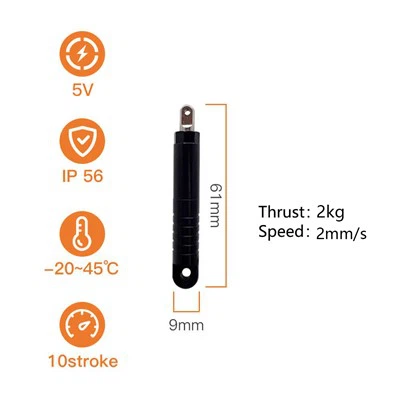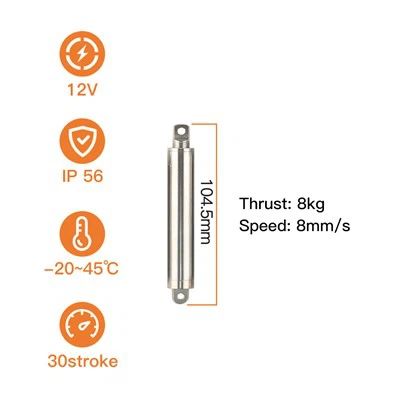
Miniature linear motors are essential components in various precision engineering applications, offering high-speed, high-precision motion control. However, like any mechanical and electrical device, they are prone to certain failures. As a seasoned supplier of miniature linear motors, I have encountered and resolved numerous issues over the years. In this blog, I will share some common failures of miniature linear motors and effective solutions to address them.
Overheating
One of the most prevalent problems with miniature linear motors is overheating. Overheating can significantly reduce the motor's efficiency, lifespan, and even lead to permanent damage. There are several reasons for overheating:

Excessive Load
When a miniature linear motor is subjected to a load beyond its rated capacity, it has to work harder, generating more heat. For example, in a precision manufacturing process, if the motor is used to move a heavier workpiece than it is designed for, the increased current flow through the motor windings will cause excessive heat generation.
Solution: Check the load requirements of your application and ensure that the selected motor has a sufficient load capacity. If necessary, upgrade to a more powerful motor that can handle the load without overheating.
Poor Ventilation
Inadequate ventilation around the motor can prevent heat from dissipating effectively. This is often the case when the motor is installed in a confined space or when there are obstructions blocking the airflow.
Solution: Ensure proper ventilation around the motor. You can install fans or heat sinks to improve heat dissipation. Additionally, make sure that the motor is installed in an open area with enough space for air circulation.
High Ambient Temperature
Operating the motor in a high-temperature environment can also contribute to overheating. For instance, in industrial settings where the ambient temperature can be quite high, the motor's internal temperature will rise more quickly.
Solution: Try to control the ambient temperature in the operating environment. If possible, use air conditioning or other cooling systems to keep the temperature within the motor's recommended operating range.
Loss of Precision
Miniature linear motors are valued for their high precision. However, a loss of precision can occur due to several factors:
Mechanical Wear
Over time, the mechanical components of the motor, such as the bearings and guides, can wear out. This wear can cause misalignment and reduce the motor's ability to move accurately.
Solution: Regularly inspect and maintain the mechanical components of the motor. Replace worn-out parts promptly to ensure proper alignment and smooth operation. You can also use high-quality bearings and guides to reduce wear and improve the motor's lifespan.
Electrical Interference
Electrical interference from other equipment or power sources can disrupt the motor's control signals, leading to a loss of precision. This is especially common in industrial environments where there are many electrical devices operating simultaneously.
Solution: Use shielded cables to connect the motor to the controller to reduce electrical interference. Additionally, install filters and isolators to protect the motor from external electrical noise.
Controller Issues
A malfunctioning controller can also cause a loss of precision. If the controller is not properly calibrated or programmed, it may send incorrect signals to the motor, resulting in inaccurate movement.
Solution: Check the controller settings and ensure that it is properly calibrated. If necessary, consult the controller's user manual or contact the manufacturer for technical support.
Noise and Vibration
Excessive noise and vibration can be a sign of problems with the miniature linear motor. These issues can not only be annoying but also indicate potential mechanical or electrical problems.
Unbalanced Rotor
An unbalanced rotor can cause the motor to vibrate and produce noise. This can happen if the rotor is not properly manufactured or if there is debris or damage on the rotor surface.
Solution: Balance the rotor to reduce vibration and noise. You can use specialized balancing equipment or send the motor to a professional repair service for rotor balancing.
Loose Components
Loose mechanical components, such as bolts and nuts, can also cause noise and vibration. Over time, these components may become loose due to normal operation or vibration.
Solution: Regularly inspect the motor for loose components and tighten them as needed. Use lock washers or thread-locking compounds to prevent the components from loosening again.
Electrical Issues
Electrical problems, such as a short circuit or a faulty power supply, can also cause noise and vibration. These issues can disrupt the motor's normal operation and lead to abnormal noise and vibration.
Solution: Check the electrical connections and components for any signs of damage or malfunction. Replace any faulty parts and ensure that the power supply is stable and within the motor's rated voltage range.
Stalling
Stalling occurs when the motor stops moving even though it is receiving power. This can be a serious problem, especially in applications where continuous motion is required.
Insufficient Power
If the power supply is not providing enough voltage or current, the motor may not be able to generate enough torque to overcome the load and start moving.
Solution: Check the power supply and ensure that it is providing the correct voltage and current. You may need to upgrade the power supply or adjust the voltage settings to meet the motor's requirements.
Mechanical Blockage
A mechanical blockage, such as a jammed guide or a foreign object in the motor's path, can prevent the motor from moving.
Solution: Inspect the motor and its surroundings for any mechanical blockages. Remove any foreign objects and ensure that the guides and other mechanical components are free to move.
Controller Malfunction
A malfunctioning controller can also cause stalling. If the controller is not sending the correct signals to the motor, the motor may not be able to operate properly.
Solution: Check the controller settings and ensure that it is functioning correctly. You may need to reset the controller or replace it if it is damaged.
Contact and Purchase
As a reliable supplier of miniature linear motors, we understand the importance of providing high-quality products and excellent customer service. If you are experiencing any of the above problems with your miniature linear motors or are looking for a new motor for your application, we are here to help. We offer a wide range of miniature linear motors, including 24V Actuator, 12V Dc Linear Actuator, and 24Vdc Linear Actuator, to meet your specific needs.
Our team of experts can provide you with professional advice and support to ensure that you choose the right motor for your application and resolve any issues you may encounter. Contact us today to start a discussion about your requirements and explore how our miniature linear motors can enhance your project's performance.
References
- "Linear Motor Handbook" by John Smith
- "Precision Motion Control: Theory and Practice" by Jane Doe
- Industry reports and technical papers on miniature linear motors