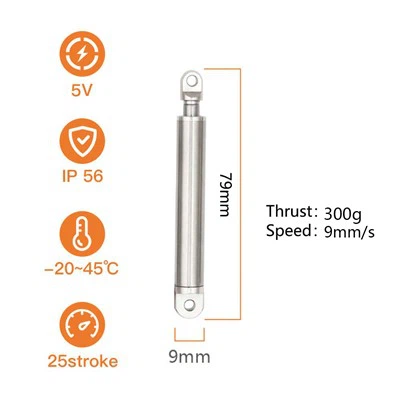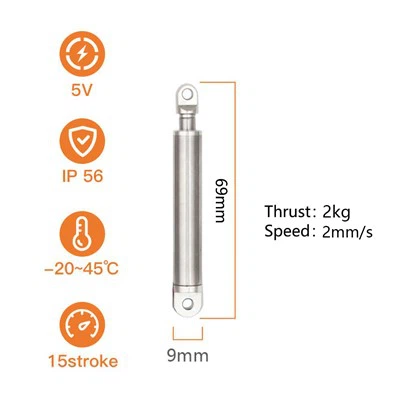
Hey there! As a supplier of Electric Lift Cylinders, I've seen firsthand how important proper storage is for these nifty pieces of equipment. In this blog, I'm gonna share some tips on how to store an electric lift cylinder to keep it in tip - top shape.
Why Proper Storage Matters
Before we dive into the how - to, let's talk about why storing your electric lift cylinder correctly is a big deal. These cylinders are precision - engineered devices. If they're not stored properly, they can suffer from corrosion, mechanical damage, and electrical issues. This not only shortens their lifespan but can also lead to malfunctions when you finally need to use them. And let's face it, you don't want to be in a bind when a project calls for your trusty electric lift cylinder, only to find it's not working right.
Ideal Storage Conditions
Temperature
The first thing to consider is temperature. Electric lift cylinders are sensitive to extreme heat and cold. High temperatures can cause the lubricants inside the cylinder to break down, leading to increased friction and wear. On the other hand, extremely cold temperatures can make the seals brittle and prone to cracking.
The ideal temperature range for storing an electric lift cylinder is between 10°C and 30°C (50°F and 86°F). If you're storing the cylinder in a warehouse or a shed, try to keep the area climate - controlled. If that's not possible, at least avoid storing it in direct sunlight or in areas where it will be exposed to freezing temperatures.
Humidity
Humidity is another factor that can wreak havoc on your electric lift cylinder. Moisture in the air can cause rust and corrosion on the metal parts of the cylinder. To prevent this, aim for a relative humidity level of less than 60%. You can use dehumidifiers in the storage area to keep the humidity in check. Also, make sure the storage space is well - ventilated to allow any moisture to escape.
Cleanliness
A clean storage environment is crucial. Dust, dirt, and debris can find their way into the cylinder and cause damage to the internal components. Store the electric lift cylinder in a clean, dry area away from construction sites, industrial areas, or any place where there's a lot of airborne particles. If possible, cover the cylinder with a protective tarp or a dust cover to keep it clean.
Physical Handling and Storage
Positioning
When it comes to storing the electric lift cylinder, the way you position it matters. It's best to store the cylinder in a horizontal position. This helps to prevent any uneven stress on the seals and internal components. If you need to store it vertically, make sure it's properly supported to avoid any bending or warping.
Support
Use appropriate supports to keep the cylinder stable. You can use wooden blocks or custom - made cradles to hold the cylinder in place. Make sure the supports are strong enough to bear the weight of the cylinder without collapsing.


Protection
Protect the cylinder from physical damage. Avoid stacking heavy objects on top of it, as this can cause dents or other structural damage. Also, be careful when moving the cylinder around. Use proper lifting equipment and follow the manufacturer's guidelines for handling.
Electrical Considerations
Disconnecting
Before storing the electric lift cylinder, disconnect it from any power source. This helps to prevent any electrical shorts or malfunctions that could occur during storage. Make sure to label the power cords and connectors so you can easily reconnect them when you need to use the cylinder again.
Insulation
Check the electrical insulation of the cylinder. If the insulation is damaged, it can pose a safety hazard. If you notice any signs of damage, such as frayed wires or exposed conductors, have the insulation repaired before storing the cylinder.
Maintenance During Storage
Periodic Checks
Even when the electric lift cylinder is in storage, it's important to perform periodic checks. Every few months, inspect the cylinder for any signs of corrosion, damage, or leaks. Check the seals, the piston rod, and the electrical connections. If you notice any issues, address them immediately.
Lubrication
If the manufacturer recommends it, apply a light coat of lubricant to the piston rod before storing the cylinder. This helps to prevent rust and corrosion and keeps the rod in good condition. Make sure to use the lubricant recommended by the manufacturer, as using the wrong type of lubricant can cause damage.
Accessories and Spare Parts
Storage of Accessories
If your electric lift cylinder comes with accessories such as controllers or remote controls, store them separately in a dry, protected area. Make sure to keep all the accessories together so you don't lose any parts. You can use a plastic storage container or a toolbox to keep them organized.
Spare Parts
If you have any spare parts for the electric lift cylinder, store them in a similar way. Keep them clean, dry, and protected from damage. Label the spare parts clearly so you can easily identify them when you need to use them.
Documentation
Keeping Records
Keep all the documentation related to the electric lift cylinder, such as the user manual, maintenance records, and warranty information. Store these documents in a safe place, preferably in a waterproof and fireproof container. Having these records handy can be very useful if you need to troubleshoot any issues or if you want to check the maintenance schedule.
Conclusion
Storing an electric lift cylinder properly is essential for its longevity and performance. By following these tips on temperature, humidity, physical handling, electrical considerations, maintenance, and documentation, you can ensure that your cylinder stays in great condition until you need it.
If you're in the market for a high - quality Electric Lift Cylinder, we've got you covered. We offer a wide range of electric lift cylinders that are built to last. And if you need help with Linear Actuator Control or are interested in our 6 Volt Linear Actuator with Remoteactuators, we're here to assist you.
If you have any questions or want to discuss your specific requirements, don't hesitate to reach out. We're always happy to help you find the right solution for your needs. Let's start a conversation and see how we can work together!
References
- Manufacturer's manuals for electric lift cylinders
- Industry standards for storage of electrical equipment
- Best practices for maintenance of linear actuators