As a seasoned supplier of linear actuators, I've witnessed firsthand the transformative impact these devices have on various industries. From automation in manufacturing to precise positioning in medical equipment, linear actuators are the unsung heroes behind many technological marvels. However, like any mechanical component, their performance can be optimized to deliver even greater efficiency and reliability. In this blog post, I'll share some practical tips and strategies on how to optimize the performance of a linear actuator.
Understanding the Basics of Linear Actuators
Before diving into optimization techniques, it's essential to have a solid understanding of how linear actuators work. At its core, a linear actuator is a device that converts rotational motion into linear motion. This conversion is typically achieved through a screw mechanism, such as a lead screw or ball screw, which translates the rotary motion of a motor into a linear displacement.
There are several types of linear actuators available on the market, each with its own unique characteristics and applications. Some of the most common types include:
- Electric Linear Actuators: These actuators are powered by an electric motor and are known for their precision, controllability, and ease of use. They are widely used in applications where accurate positioning and smooth operation are required, such as robotics, automation, and medical devices.
- Hydraulic Linear Actuators: Hydraulic actuators use hydraulic fluid to generate linear motion. They are capable of producing high forces and are commonly used in heavy-duty applications, such as construction equipment, industrial machinery, and automotive systems.
- Pneumatic Linear Actuators: Pneumatic actuators use compressed air to generate linear motion. They are relatively simple and inexpensive, making them a popular choice for applications where cost-effectiveness and quick response times are important, such as packaging machinery, material handling systems, and automation.
Factors Affecting Linear Actuator Performance
Several factors can affect the performance of a linear actuator, including:
- Load Capacity: The load capacity of an actuator refers to the maximum force it can exert without experiencing excessive wear or damage. It's important to select an actuator with a load capacity that is appropriate for the application to ensure reliable operation.
- Speed: The speed of an actuator refers to the rate at which it can move the load. The speed of an actuator is typically measured in inches per second (ips) or millimeters per second (mm/s). It's important to select an actuator with a speed that is appropriate for the application to ensure efficient operation.
- Accuracy: The accuracy of an actuator refers to the ability to position the load within a specified tolerance. The accuracy of an actuator is typically measured in inches or millimeters. It's important to select an actuator with an accuracy that is appropriate for the application to ensure precise operation.
- Repeatability: The repeatability of an actuator refers to the ability to position the load at the same location repeatedly. The repeatability of an actuator is typically measured in inches or millimeters. It's important to select an actuator with a repeatability that is appropriate for the application to ensure consistent operation.
- Duty Cycle: The duty cycle of an actuator refers to the percentage of time the actuator is in operation compared to the total time. It's important to select an actuator with a duty cycle that is appropriate for the application to ensure reliable operation and prevent overheating.
Tips for Optimizing Linear Actuator Performance
Now that we have a better understanding of the basics of linear actuators and the factors that affect their performance, let's explore some tips and strategies for optimizing their performance:

- Select the Right Actuator: The first step in optimizing the performance of a linear actuator is to select the right actuator for the application. Consider factors such as load capacity, speed, accuracy, repeatability, and duty cycle when selecting an actuator. If you're unsure which actuator is right for your application, consult with a qualified engineer or actuator supplier.
- Proper Installation: Proper installation is crucial for ensuring the optimal performance of a linear actuator. Follow the manufacturer's installation instructions carefully and ensure that the actuator is mounted securely and aligned properly. Improper installation can lead to premature wear, reduced performance, and even failure of the actuator.
- Regular Maintenance: Regular maintenance is essential for ensuring the long-term performance and reliability of a linear actuator. Follow the manufacturer's maintenance schedule and perform routine maintenance tasks such as lubrication, cleaning, and inspection. Regular maintenance can help prevent premature wear, reduce the risk of failure, and extend the lifespan of the actuator.
- Use High-Quality Components: Using high-quality components is important for ensuring the optimal performance of a linear actuator. Choose components such as motors, gears, bearings, and seals that are designed for the specific application and are of high quality. Using low-quality components can lead to premature wear, reduced performance, and even failure of the actuator.
- Control the Environment: The environment in which the linear actuator operates can have a significant impact on its performance. Control factors such as temperature, humidity, dust, and vibration to ensure the optimal performance of the actuator. If the actuator is operating in a harsh environment, consider using protective enclosures or other measures to protect it from damage.
- Implement Feedback Control: Implementing feedback control can help improve the accuracy and repeatability of a linear actuator. Feedback control systems use sensors to measure the position, speed, or force of the actuator and adjust the input signal to the actuator accordingly. This can help ensure that the actuator operates at the desired level of performance and can compensate for any variations or disturbances in the system.
Specific Optimization Techniques for Different Types of Linear Actuators
In addition to the general tips and strategies outlined above, there are also some specific optimization techniques that can be applied to different types of linear actuators:
- Electric Linear Actuators:
- Choose the Right Motor: Select a motor with the appropriate power, torque, and speed characteristics for the application. Consider factors such as the load capacity, speed, and duty cycle of the actuator when choosing a motor.
- Use a High-Quality Controller: Use a high-quality controller to control the operation of the motor. A good controller can provide precise control of the motor's speed, torque, and position, which can help improve the performance of the actuator.
- Optimize the Motor Drive System: Optimize the motor drive system to ensure efficient operation of the motor. This may involve using a variable frequency drive (VFD) or other motor control techniques to adjust the motor's speed and torque based on the load requirements.
- Hydraulic Linear Actuators:
- Maintain Proper Fluid Levels and Quality: Ensure that the hydraulic fluid levels are maintained at the appropriate level and that the fluid is clean and free of contaminants. Contaminated fluid can cause damage to the hydraulic components and reduce the performance of the actuator.
- Check for Leaks: Regularly check the hydraulic system for leaks. Leaks can cause a loss of pressure and reduce the performance of the actuator. If a leak is detected, it should be repaired immediately.
- Adjust the Pressure Settings: Adjust the pressure settings of the hydraulic system to ensure that the actuator is operating at the appropriate pressure. Overpressure can cause damage to the hydraulic components, while underpressure can result in reduced performance of the actuator.
- Pneumatic Linear Actuators:
- Ensure Proper Air Supply: Ensure that the pneumatic system is supplied with clean, dry air at the appropriate pressure and flow rate. Contaminated air can cause damage to the pneumatic components and reduce the performance of the actuator.
- Check for Leaks: Regularly check the pneumatic system for leaks. Leaks can cause a loss of pressure and reduce the performance of the actuator. If a leak is detected, it should be repaired immediately.
- Adjust the Flow Control Valves: Adjust the flow control valves to ensure that the actuator is operating at the appropriate speed. Flow control valves can be used to regulate the flow of air to the actuator and control its speed.
Conclusion
Optimizing the performance of a linear actuator is essential for ensuring its efficient and reliable operation. By selecting the right actuator, proper installation, regular maintenance, using high-quality components, controlling the environment, and implementing feedback control, you can significantly improve the performance of your linear actuator. Additionally, specific optimization techniques can be applied to different types of linear actuators to further enhance their performance.
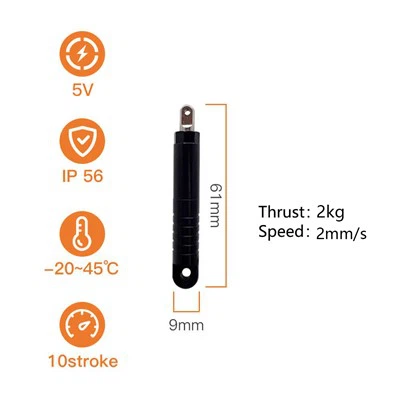
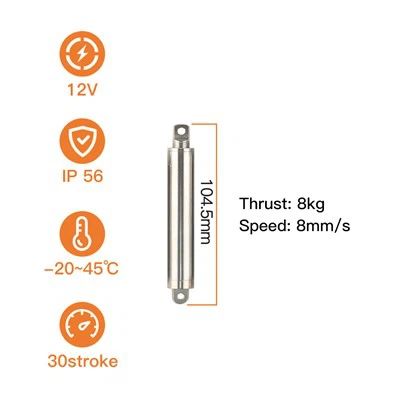
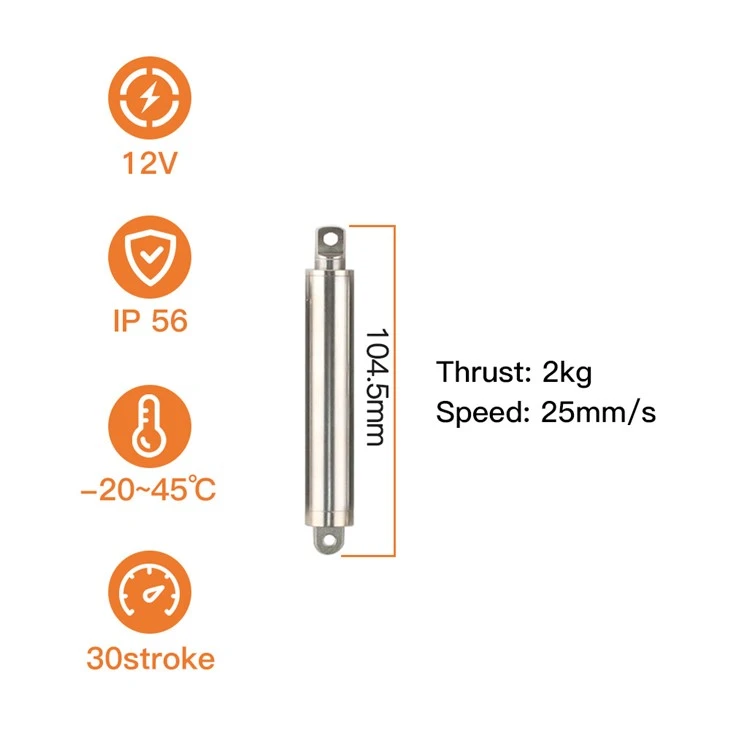
If you're in the market for a linear actuator or need help optimizing the performance of your existing actuator, we're here to help. As a leading supplier of linear actuators, we offer a wide range of high-quality products, including Miniature Linear Motor, 24Vdc Linear Actuator, and 12V Linear Actuator. Our team of experts can provide you with the technical support and guidance you need to select the right actuator for your application and optimize its performance. Contact us today to learn more about our products and services and to discuss your specific requirements.
References
- Beckhoff Automation. (n.d.). Linear Actuators. Retrieved from https://www.beckhoff.com/english.asp?download/2766.htm
- Parker Hannifin Corporation. (n.d.). Linear Actuators. Retrieved from https://www.parker.com/literature/Actuators%20-%20Linear%20Rod%20Cylinders.pdf
- Tolomatic. (n.d.). Linear Actuators. Retrieved from https://www.tolomatic.com/products/linear-actuators