Hey there! As a supplier of DC linear actuators, I've seen firsthand how crucial it is to keep these devices in top - notch condition. DC linear actuators are used in a wide range of applications, from industrial machinery to home automation. In this blog, I'm gonna share some tips on how to maintain a DC linear actuator.
1. Regular Inspection
The first step in maintaining your DC linear actuator is regular inspection. You should visually check the actuator on a frequent basis. Look for any signs of physical damage, like cracks in the housing or bent rods. If you spot any visible damage, it's a red flag that the actuator might not be working properly.
Also, pay attention to the electrical connections. Loose or corroded wires can lead to poor performance or even complete failure. Make sure all the wires are securely attached and there's no sign of rust or corrosion. If you find any issues with the electrical connections, it's best to address them right away.
Another important aspect of inspection is checking the lubrication. Some actuators require regular lubrication to ensure smooth operation. Check the manufacturer's guidelines to see if your actuator needs lubrication and what type of lubricant to use. If the actuator is under - lubricated, it can cause increased friction, which will wear out the components faster.
2. Cleaning
Cleaning your DC linear actuator is essential for its longevity. Dust, dirt, and debris can accumulate on the actuator over time, which can interfere with its operation. Use a soft, dry cloth to wipe down the exterior of the actuator regularly. This will remove any loose dirt and prevent it from getting inside the device.
For more stubborn dirt or grime, you can use a mild cleaning solution. Just make sure to follow the manufacturer's instructions when using any cleaning products. Avoid using abrasive materials or harsh chemicals, as these can damage the actuator's surface.
If your actuator is used in a particularly dirty or dusty environment, you might want to consider using a protective cover. A cover can help keep dirt and debris away from the actuator, reducing the need for frequent cleaning.
3. Proper Installation
Proper installation is key to the long - term performance of your DC linear actuator. Make sure to follow the manufacturer's installation instructions carefully. Incorrect installation can put unnecessary stress on the actuator, leading to premature wear and failure.
When installing the actuator, ensure that it is mounted securely. Loose mounting can cause the actuator to vibrate, which can damage the internal components. Also, make sure that the actuator is aligned correctly. Misalignment can cause uneven wear on the rods and other moving parts.
If you're not confident in your installation skills, it's a good idea to hire a professional. A professional installer can ensure that the actuator is installed correctly and safely.
4. Monitoring Performance
Monitoring the performance of your DC linear actuator is an important part of maintenance. Keep an eye on how the actuator is operating. Notice if there are any changes in speed, force, or noise level. A sudden change in any of these parameters could indicate a problem.
For example, if the actuator is suddenly moving slower than usual, it could be due to a mechanical issue or a problem with the power supply. If you hear unusual noises, like grinding or rattling, it could mean that there's something wrong with the internal components.
You can use monitoring tools to track the performance of the actuator over time. Some actuators come with built - in sensors that can provide data on speed, force, and other parameters. By analyzing this data, you can detect potential problems early and take corrective action.
5. Temperature and Environment
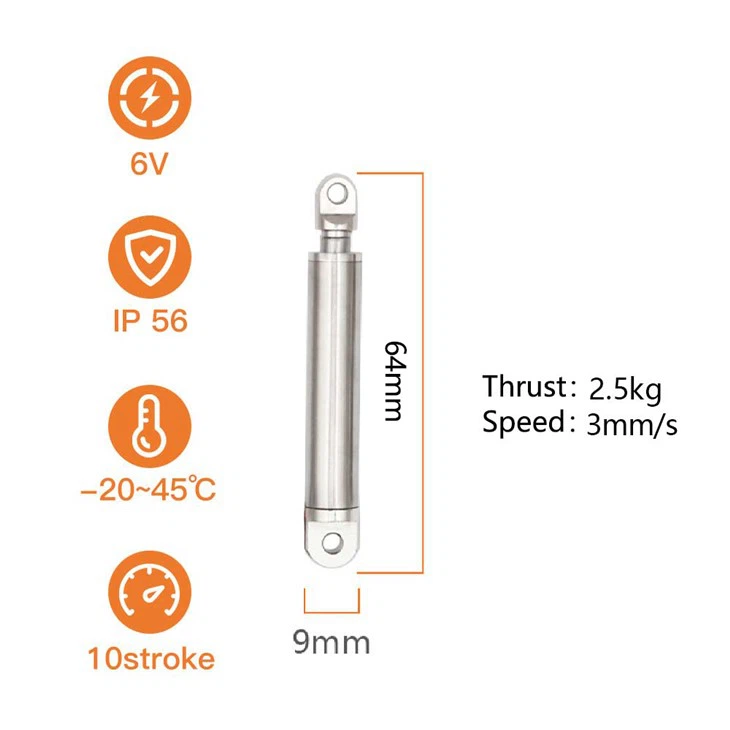
The temperature and environment in which the DC linear actuator operates can have a big impact on its performance and lifespan. Most actuators have an optimal operating temperature range. Make sure to keep the actuator within this range.
If the actuator is exposed to extreme temperatures, it can cause the materials to expand or contract, which can lead to damage. In hot environments, the actuator may overheat, which can reduce its efficiency and cause premature failure. In cold environments, the lubricant may thicken, making the actuator harder to operate.
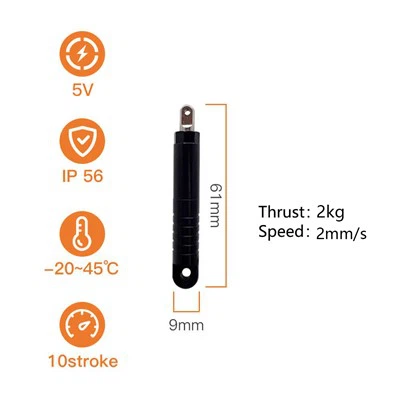
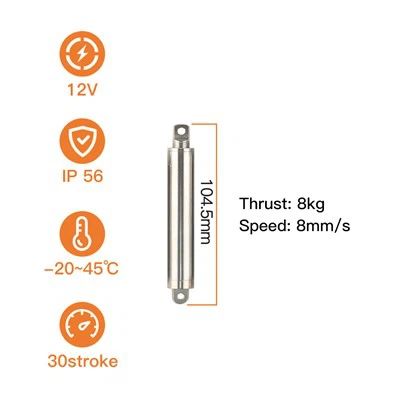
Also, consider the humidity and corrosive elements in the environment. High humidity can cause corrosion, especially on the metal parts of the actuator. If the actuator is used in a corrosive environment, such as near chemicals or saltwater, you may need to choose an actuator with a higher level of protection, like the Ip56 Linear Actuator.
6. Upgrading and Replacement
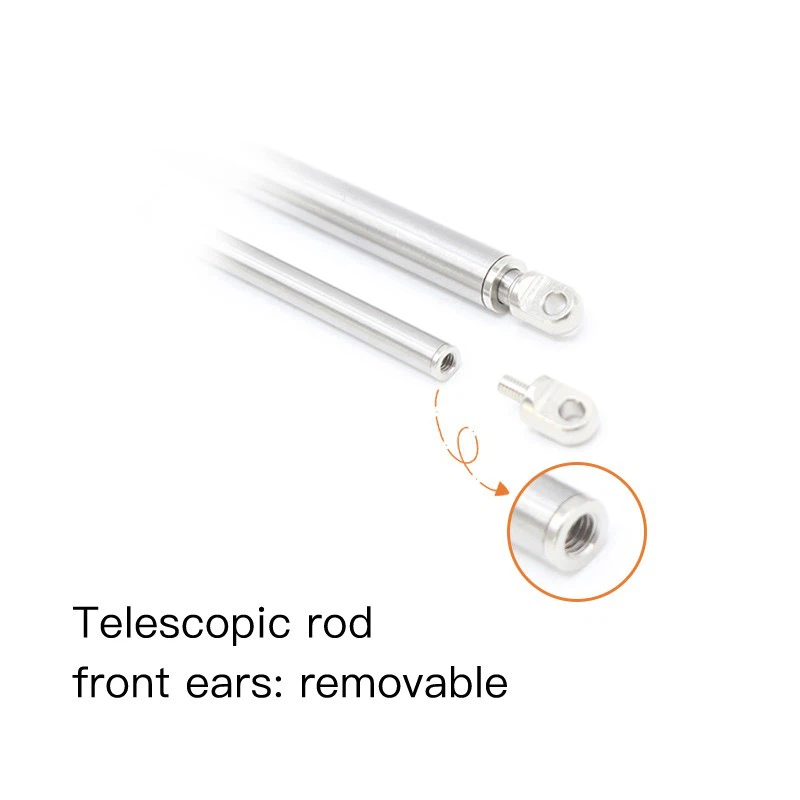
Over time, some components of the DC linear actuator may wear out and need to be replaced. It's a good idea to keep some spare parts on hand, such as seals, bearings, and rods. This way, you can quickly replace any worn - out parts and minimize downtime.
In some cases, you may also want to consider upgrading your actuator. Newer models may offer improved performance, higher efficiency, or additional features. For example, if you need a faster - operating actuator, you might look into the Fast Actuators Linear. Or, if you have limited space, the Tiny Linear Actuator could be a great option.
When replacing or upgrading parts, make sure to use genuine parts from the manufacturer. Using non - genuine parts can void the warranty and may not provide the same level of performance and reliability.
Why Maintenance Matters
Maintaining your DC linear actuator is not just about keeping it running; it's also about saving money in the long run. A well - maintained actuator will last longer, reducing the need for frequent replacements. It will also operate more efficiently, which can save on energy costs.
In addition, regular maintenance can prevent costly breakdowns. A sudden actuator failure can cause production delays in an industrial setting or inconvenience in a home automation system. By following these maintenance tips, you can keep your actuator in good working condition and avoid these problems.
Contact Us for More
If you're in the market for a DC linear actuator or need more information on maintenance, feel free to reach out. We're here to help you choose the right actuator for your needs and provide you with all the support you need to keep it running smoothly. Whether you're a small - scale user or a large - scale industrial client, we've got the expertise and the products to meet your requirements.
References
- Manufacturer's manuals for DC linear actuators
- Industry best practices for linear actuator maintenance
- Technical articles on linear actuator performance and reliability