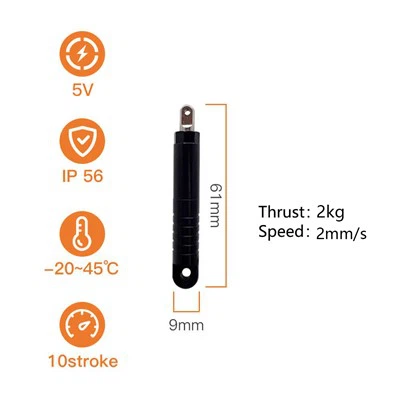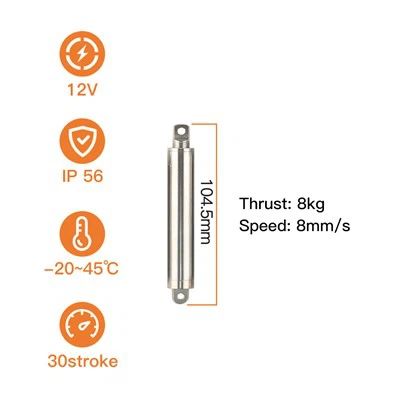
Hey there! As a supplier of DC linear actuators, I've seen firsthand how crucial repeatability is in various applications. Whether it's in industrial automation, medical equipment, or even home appliances, getting consistent performance from a DC linear actuator is super important. In this blog, I'm gonna share some tips on how to improve the repeatability of a DC linear actuator.
Understanding Repeatability in DC Linear Actuators
Before we dive into the ways to improve repeatability, let's quickly understand what it means. Repeatability refers to the ability of an actuator to return to the same position or perform the same motion repeatedly with a high degree of accuracy. In other words, if you tell the actuator to move to a certain point, it should be able to do that over and over again, with minimal deviation.
Factors Affecting Repeatability
There are several factors that can affect the repeatability of a DC linear actuator. Let's take a look at some of the most common ones:
1. Mechanical Design
The mechanical design of the actuator plays a huge role in its repeatability. Things like the quality of the bearings, the precision of the lead screw or ball screw, and the overall rigidity of the structure can all impact how accurately the actuator can move. For example, if the bearings are worn out or of poor quality, they can introduce play or backlash, which can cause the actuator to deviate from its intended position.

2. Electrical Components
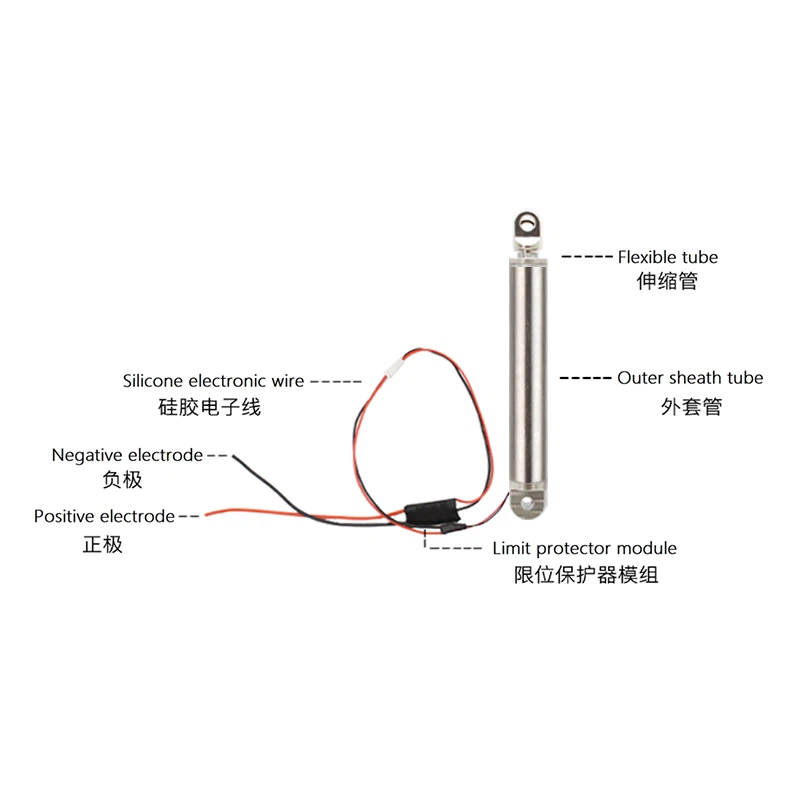
The electrical components of the actuator, such as the motor, controller, and sensors, also have a significant impact on repeatability. A high-quality motor with good torque and speed control can help ensure that the actuator moves smoothly and accurately. Similarly, a reliable controller that can precisely regulate the motor's operation is essential. Sensors, like encoders or potentiometers, can provide feedback on the actuator's position, allowing for more accurate control.
3. Load and Environment
The load that the actuator is carrying and the environment in which it operates can also affect repeatability. If the load is too heavy or unevenly distributed, it can put stress on the actuator and cause it to deviate from its intended path. Additionally, factors like temperature, humidity, and vibration in the environment can all impact the performance of the actuator.
Tips to Improve Repeatability
Now that we know what factors can affect repeatability, let's look at some tips on how to improve it:
1. Choose the Right Actuator
The first step in improving repeatability is to choose the right actuator for your application. Consider factors like the required force, speed, stroke length, and accuracy. For example, if you need high precision, you might want to choose an actuator with a ball screw instead of a lead screw, as ball screws generally offer better accuracy and repeatability. Check out our Ip56 Linear Actuator for a reliable option with good repeatability.
2. Use High-Quality Components
As mentioned earlier, the quality of the mechanical and electrical components is crucial for repeatability. Invest in high-quality bearings, screws, motors, controllers, and sensors. While it might cost a bit more upfront, it can save you a lot of headaches in the long run by ensuring consistent performance.
3. Proper Installation and Alignment
Proper installation and alignment of the actuator are essential for repeatability. Make sure that the actuator is mounted securely and that all the components are properly aligned. Any misalignment can cause additional stress on the actuator and lead to inaccurate movement. Follow the manufacturer's installation instructions carefully to ensure that everything is set up correctly.
4. Calibration and Tuning
Regular calibration and tuning of the actuator can help improve repeatability. Use the appropriate tools and techniques to calibrate the sensors and adjust the controller settings. This can help ensure that the actuator is moving to the correct positions and that any errors or deviations are minimized.
5. Feedback Control Systems
Implementing a feedback control system can significantly improve repeatability. Encoders or potentiometers can be used to provide real-time feedback on the actuator's position, allowing the controller to make adjustments as needed. This closed-loop control system can help compensate for any external factors or variations in the actuator's performance.
6. Maintenance and Inspection
Regular maintenance and inspection of the actuator are important to keep it in good working condition. Check for any signs of wear and tear, such as worn bearings or loose screws, and replace or tighten them as necessary. Lubricate the moving parts regularly to reduce friction and ensure smooth operation.
Applications of High-Repeatability DC Linear Actuators
High-repeatability DC linear actuators have a wide range of applications in various industries. Here are some examples:
1. Industrial Automation
In industrial automation, precise and repeatable motion is essential for tasks like pick-and-place operations, assembly line processes, and robotic arms. DC linear actuators with high repeatability can help ensure that these tasks are performed accurately and efficiently.
2. Medical Equipment
Medical equipment, such as surgical robots, patient beds, and diagnostic devices, often requires high precision and repeatability. DC linear actuators can be used to control the movement of these devices, ensuring that they operate safely and effectively.
3. Aerospace and Defense
In the aerospace and defense industries, high-repeatability actuators are used in applications like aircraft control surfaces, missile guidance systems, and satellite positioning. The reliability and accuracy of these actuators are critical for the success of these missions.
4. Home Appliances
Even in home appliances, like smart TVs, adjustable beds, and automated window blinds, DC linear actuators with good repeatability can provide a better user experience by ensuring smooth and consistent operation.
Conclusion
Improving the repeatability of a DC linear actuator is essential for many applications. By understanding the factors that affect repeatability and implementing the tips mentioned above, you can ensure that your actuator performs consistently and accurately. Whether you're in industrial automation, medical equipment, or any other industry, a high-repeatability actuator can make a big difference in the performance of your system.
If you're interested in purchasing high-quality DC linear actuators with excellent repeatability, we'd love to hear from you. We offer a wide range of products, including Electric Lift Cylinder and Tiny Linear Actuator. Contact us to discuss your specific requirements and let's work together to find the best solution for you.
References
- "Linear Actuators: Design, Selection, and Application" by Peter H. Nachtwey
- "Motion Control Handbook" by Michael J. Durfee