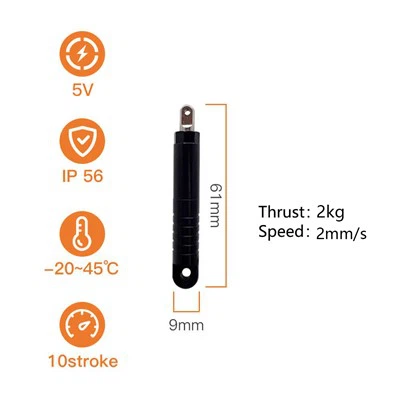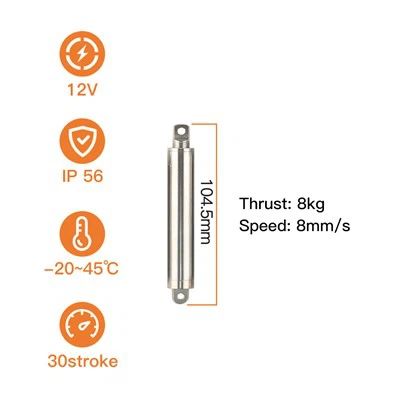
Hey there! If you're in the market for a top-notch Fast Electric Actuator, you've come to the right place. As a supplier of these amazing devices, I've seen my fair share of installations and commissioning processes. In this blog, I'm gonna share some tips and tricks on how to handle the installation and commissioning of a fast electric actuator like a pro.
Pre-Installation Checks
Before you even think about installing your fast electric actuator, there are a few things you need to do. First off, make sure you've got the right actuator for the job. Check the specifications to ensure it can handle the load, speed, and torque requirements of your application. You don't want to end up with an actuator that's too weak or too strong for the task at hand.
Next, take a good look at the installation site. Make sure it's clean, dry, and free of any debris or obstacles. The actuator needs to be mounted securely, so check the mounting surface for any signs of damage or unevenness. If necessary, make any repairs or adjustments before proceeding with the installation.
Also, don't forget to check the electrical connections. Make sure you've got the right voltage and wiring for the actuator. If you're not sure, consult the manufacturer's instructions or a qualified electrician. It's better to be safe than sorry when it comes to electrical work.
Installation Process
Once you've completed the pre-installation checks, it's time to start the installation process. Here are the general steps you'll need to follow:
-
Mount the Actuator: Use the appropriate mounting hardware to secure the actuator to the mounting surface. Make sure it's level and aligned correctly. Tighten the bolts or screws firmly, but don't over-tighten them as this could damage the actuator.
-
Connect the Electrical Wires: Follow the wiring diagram provided by the manufacturer to connect the electrical wires to the actuator. Make sure the connections are secure and free of any loose wires or exposed conductors. Use wire nuts or other appropriate connectors to ensure a safe and reliable connection.
-
Install the Control System: If your fast electric actuator requires a control system, such as a Electric Actuator Control unit, install it according to the manufacturer's instructions. Connect the control system to the actuator and any other necessary devices, such as sensors or switches.
-
Test the Actuator: Before you fully commission the actuator, it's a good idea to test it to make sure it's working properly. Power on the system and use the control system to operate the actuator. Check for any unusual noises, vibrations, or movements. If you notice any problems, stop the test immediately and troubleshoot the issue.
Commissioning Process
Once the actuator is installed and tested, it's time to start the commissioning process. Commissioning is the process of fine-tuning the actuator to ensure it's operating at its optimal performance. Here are the steps you'll need to follow:
-
Calibrate the Actuator: Use the calibration tools provided by the manufacturer to calibrate the actuator. This will ensure that the actuator is moving to the correct positions and at the correct speeds. Follow the calibration instructions carefully to ensure accurate results.
-
Set the Limits: Set the limits of the actuator's movement to prevent it from over-traveling or causing damage to the system. Use the control system to set the upper and lower limits of the actuator's stroke. Make sure the limits are set correctly and that the actuator stops moving when it reaches the limits.
-
Adjust the Speed and Torque: Depending on your application, you may need to adjust the speed and torque of the actuator. Use the control system to adjust these parameters to meet the requirements of your application. Make sure the speed and torque are set correctly to ensure smooth and efficient operation.
-
Test the System: Once you've completed the calibration, limit setting, and speed and torque adjustments, it's time to test the system again. Use the control system to operate the actuator through its full range of motion. Check for any issues or problems, such as overheating, excessive noise, or inaccurate positioning. If you notice any problems, make the necessary adjustments and test the system again.
Troubleshooting Tips
Even with proper installation and commissioning, you may encounter some issues with your fast electric actuator. Here are some common problems and their solutions:
-
Actuator Not Moving: If the actuator isn't moving, check the electrical connections to make sure they're secure. Also, check the power supply to make sure it's providing the correct voltage. If the actuator still isn't moving, it may be a problem with the control system or the actuator itself. Consult the manufacturer's troubleshooting guide or a qualified technician for further assistance.
-
Actuator Moving Slowly or Erratically: If the actuator is moving slowly or erratically, check the speed and torque settings to make sure they're correct. Also, check the load on the actuator to make sure it's not too heavy. If the actuator is still moving slowly or erratically, it may be a problem with the motor or the gears. Consult the manufacturer's troubleshooting guide or a qualified technician for further assistance.
-
Actuator Overheating: If the actuator is overheating, check the ventilation to make sure it's adequate. Also, check the load on the actuator to make sure it's not too heavy. If the actuator is still overheating, it may be a problem with the motor or the electrical system. Consult the manufacturer's troubleshooting guide or a qualified technician for further assistance.
Conclusion
Installing and commissioning a fast electric actuator can be a challenging task, but with the right knowledge and tools, it can be done successfully. By following the tips and tricks outlined in this blog, you'll be able to handle the installation and commissioning process like a pro.
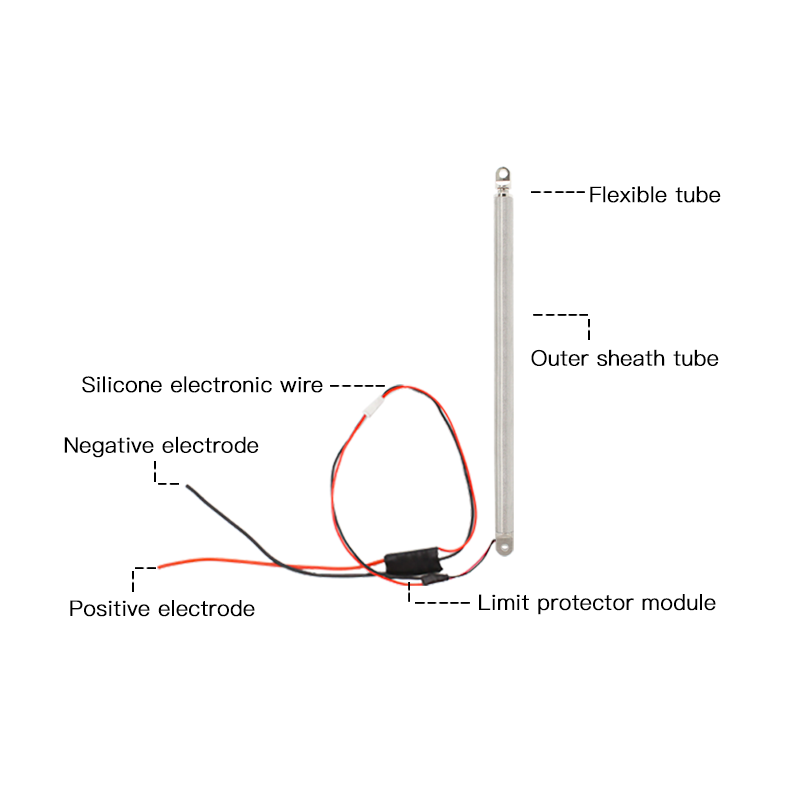

If you're looking for a reliable and high-quality Fast Electric Actuator, look no further. We're a leading supplier of fast electric actuators and other related products. Our actuators are designed to provide reliable and efficient operation in a wide range of applications.
If you have any questions or need further assistance with the installation and commissioning of your fast electric actuator, please don't hesitate to contact us. We're here to help you every step of the way.
References
- Manufacturer's installation and commissioning instructions for fast electric actuators.
- Industry best practices for the installation and commissioning of electric actuators.