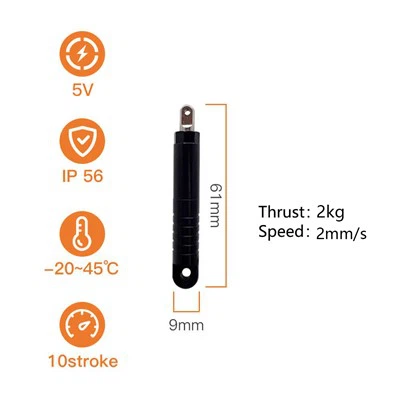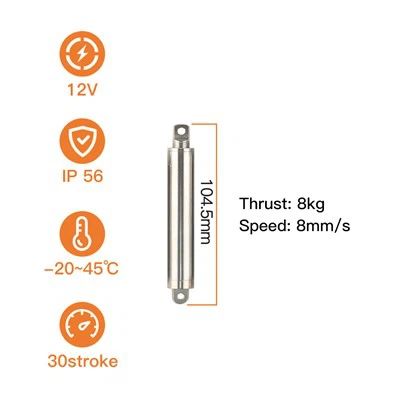
Operating a 12V DC linear actuator in a cold environment poses unique challenges that can affect its performance and longevity. As a seasoned supplier of 12V Linear Actuator, we understand the intricacies of ensuring these devices function optimally even in the harshest of cold conditions. In this blog post, we'll delve into the key factors to consider and the steps you can take to guarantee the proper operation of your 12V DC linear actuator in a cold environment.
Understanding the Impact of Cold on 12V DC Linear Actuators
Cold temperatures can have a significant impact on the performance of a 12V DC linear actuator. One of the primary effects is the increased viscosity of lubricants. Lubricants play a crucial role in reducing friction between moving parts in the actuator. In cold conditions, the lubricant thickens, which can lead to increased resistance and slower operation. This can cause the actuator to draw more current, potentially overheating the motor and reducing its lifespan.
Another issue is the contraction of materials. Most components in a linear actuator are made of metal, which contracts in cold temperatures. This contraction can lead to changes in the clearances between parts, potentially causing binding or misalignment. Additionally, the battery or power source that supplies the 12V DC power can be affected by the cold. Lower temperatures can reduce the battery's capacity and voltage output, leading to insufficient power for the actuator to operate correctly.
Selecting the Right 12V DC Linear Actuator for Cold Environments
When operating in a cold environment, not all 12V DC linear actuators are created equal. It's essential to choose an actuator that is specifically designed or rated for cold conditions. Look for actuators with seals that can withstand low temperatures without cracking or losing their flexibility. These seals prevent moisture and dirt from entering the actuator, which can be exacerbated in cold environments.
The lubricant used in the actuator is also a critical consideration. Opt for actuators that use low-temperature lubricants, which maintain their fluidity even in freezing conditions. This ensures smooth operation and reduces the risk of overheating due to increased friction. Additionally, consider the actuator's motor design. Some motors are more efficient and better suited for cold environments, with features such as higher torque at low temperatures.
Preparing the Actuator for Cold Operation
Before exposing the actuator to cold conditions, there are several steps you can take to prepare it. First, check the lubricant level and quality. If necessary, replace the lubricant with a low-temperature variant. This simple step can significantly improve the actuator's performance in the cold.
Inspect the actuator for any signs of wear or damage. Cold conditions can exacerbate existing issues, so it's crucial to address them before use. Pay special attention to the seals, wires, and connectors. Make sure the seals are intact and the wires and connectors are free of corrosion or damage.
If possible, pre - heat the actuator before operation. This can be done using external heating sources, such as heating pads or heat lamps. Pre - heating the actuator helps to reduce the viscosity of the lubricant and ensures that the components are at a more suitable temperature for operation.
Maintenance and Monitoring in Cold Environments
Regular maintenance is key to ensuring the proper operation of a 12V DC linear actuator in a cold environment. After each use, clean the actuator to remove any dirt, snow, or ice that may have accumulated. Check the lubricant level again and replenish it if necessary.
Monitor the actuator's performance closely. Look for any signs of slow operation, abnormal noises, or increased power consumption. These can be indicators of problems such as binding or overheating. If you notice any issues, stop using the actuator immediately and troubleshoot the problem.
It's also a good idea to keep a record of the actuator's performance in cold conditions. This can help you identify any trends or recurring issues and allow you to make necessary adjustments to your maintenance or operating procedures.
Power Source Considerations
The power source is a critical component when operating a 12V DC linear actuator in a cold environment. As mentioned earlier, cold temperatures can reduce the battery's capacity and voltage output. To mitigate this, use a high - quality battery or power supply that is rated for low - temperature operation.
Consider using a battery warmer or insulating the battery to maintain a more stable temperature. This can help to ensure that the battery maintains its capacity and voltage output, providing sufficient power for the actuator to operate correctly. Additionally, keep spare batteries on hand, especially if you expect to use the actuator for an extended period in cold conditions.
Additional Protective Measures
To further protect the 12V DC linear actuator in a cold environment, consider using a protective enclosure. An enclosure can shield the actuator from the elements, such as snow, ice, and wind. It can also help to maintain a more stable internal temperature, reducing the impact of the cold on the actuator's components.
Use insulation materials around the actuator and its wiring. This can help to reduce heat loss and keep the components warmer. Insulation can be particularly useful for the motor and the wiring, which are sensitive to temperature changes.
If the actuator is used in an outdoor application, consider installing a windbreak or shelter. This can reduce the wind chill factor, which can significantly lower the effective temperature around the actuator.
Comparing with Other Actuator Types
While we focus on 12V DC linear actuators, it's worth comparing them with other types such as 24Vdc Linear Actuator and Linear Motor 12V in cold environments.
A 24V DC linear actuator may have different power requirements and performance characteristics compared to a 12V DC linear actuator in cold conditions. The higher voltage may allow for more efficient operation, but it also requires a different power source and may be more sensitive to voltage drops in cold environments.
A 12V linear motor has a different operating principle compared to a traditional 12V DC linear actuator. Linear motors rely on electromagnetic forces to produce linear motion, and they may be more or less suitable for cold environments depending on their design and construction. However, like linear actuators, they also face challenges such as increased friction due to thickened lubricants and material contraction in cold temperatures.
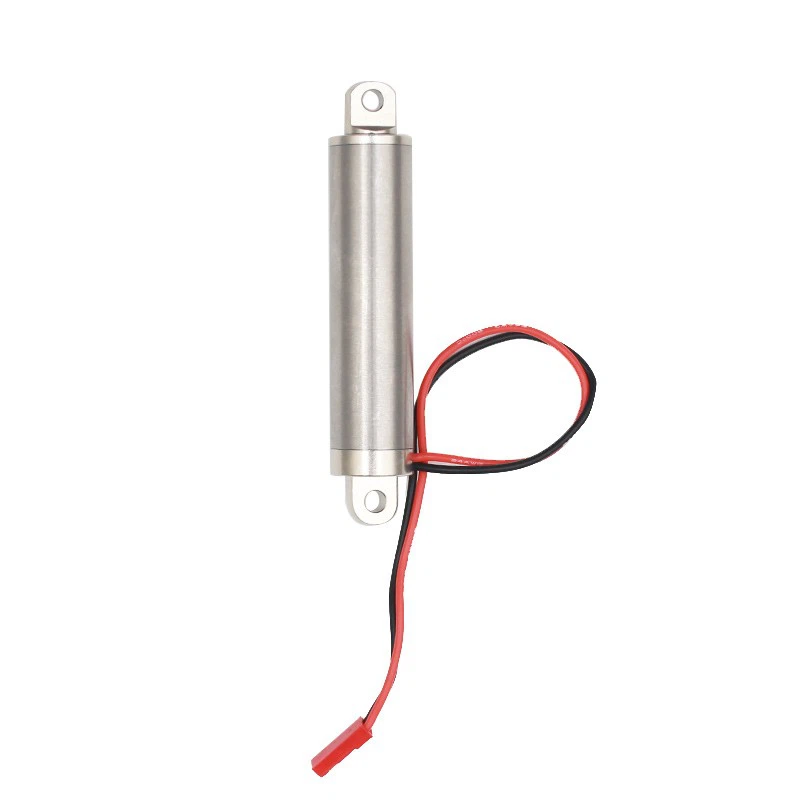
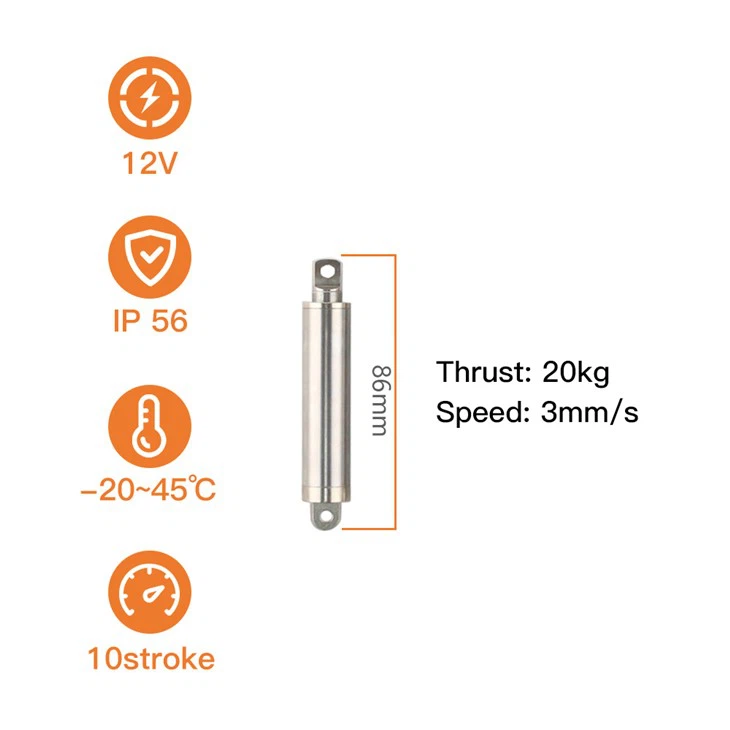
Conclusion
Operating a 12V DC linear actuator in a cold environment requires careful consideration and proper preparation. By understanding the impact of cold on the actuator, selecting the right product, preparing it for use, and implementing regular maintenance and monitoring, you can ensure its proper operation and extend its lifespan.
If you're in the market for a reliable 12V DC linear actuator for cold environments, we're here to help. Our team of experts can provide you with the guidance and support you need to choose the right product for your specific application. Contact us to start a conversation about your requirements and explore how our high - quality 12V DC linear actuators can meet your needs.
References
- "Handbook of Linear Actuators and Mechatronics in Engineering", CRC Press
- "Cold - Weather Operation of Electrical Equipment", IEEE Standards Association
- Manufacturer's specifications and technical documents for linear actuators