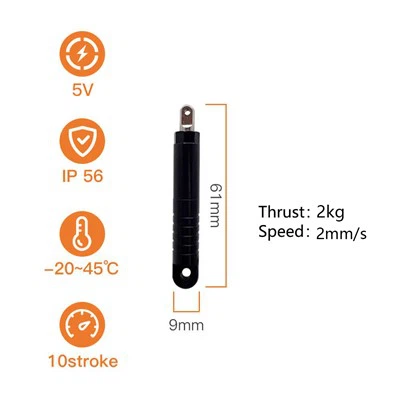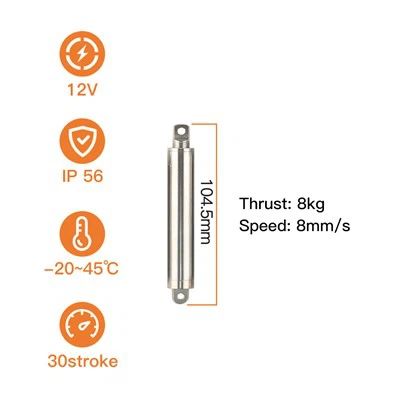
Can a DC linear actuator be used in corrosive environments? That's a question I get asked a lot as a DC linear actuator supplier. In this blog, I'll dive into this topic, share some insights, and let you know how we can help you find the right solution for your needs.
Understanding DC Linear Actuators
First off, let's quickly go over what a DC linear actuator is. Simply put, it's a device that converts DC electrical energy into linear motion. These actuators are super versatile and are used in a wide range of applications, from simple home automation projects to complex industrial machinery. They're known for their reliability, precision, and ease of control. You can check out our Electric Lift Cylinder for an example of how these actuators can be used in a practical application.
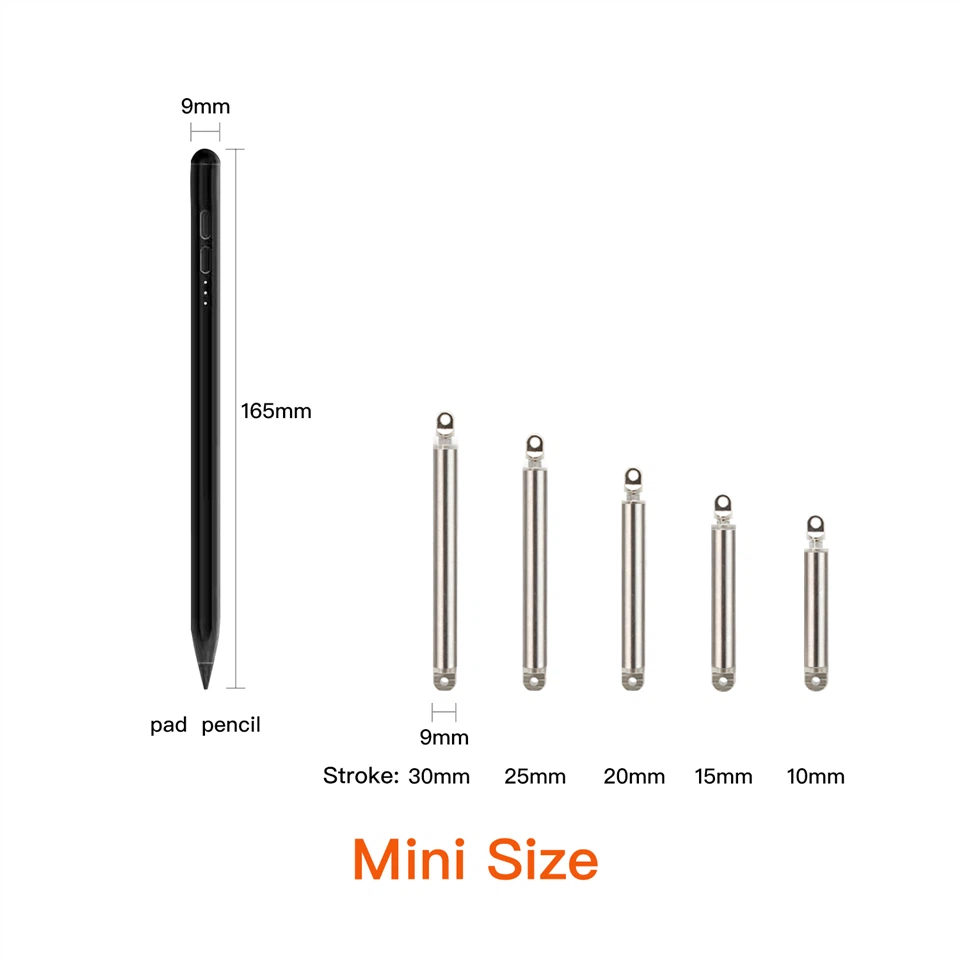

The Challenge of Corrosive Environments
Corrosive environments are tough on any equipment. Whether it's a chemical plant, a marine setting, or a place with high humidity and salt in the air, corrosion can eat away at metal components over time. This can lead to reduced performance, increased maintenance costs, and even complete failure of the actuator.
When it comes to DC linear actuators, the main concern is the corrosion of the actuator's housing, rod, and internal components. If the housing gets corroded, it can allow moisture and contaminants to enter the actuator, which can damage the internal parts. The rod, which is often exposed, is also at risk of corrosion, which can affect its smooth movement and reduce its lifespan.
Can DC Linear Actuators Handle Corrosive Environments?
The short answer is yes, but it depends on a few factors. Not all DC linear actuators are created equal, and some are better suited for corrosive environments than others.
Material Selection
One of the most important factors is the material used to make the actuator. Stainless steel is a popular choice for corrosive environments because it has excellent corrosion resistance. Actuators with stainless steel housings and rods can withstand exposure to chemicals, saltwater, and other corrosive substances. However, stainless steel can be more expensive than other materials, so it's important to weigh the cost against the benefits.
Another option is to use actuators with coated components. For example, a zinc-plated or powder-coated housing can provide an extra layer of protection against corrosion. These coatings can be more affordable than stainless steel, but they may not offer the same level of long-term protection.
Sealing and Protection
Good sealing is also crucial for protecting the actuator from corrosive elements. Actuators with high-quality seals can prevent moisture and contaminants from entering the internal components. Look for actuators with IP (Ingress Protection) ratings, which indicate the level of protection against dust and water. A higher IP rating means better protection. For example, an actuator with an IP65 rating is dust-tight and protected against water jets from any direction.
Specialized Designs
Some DC linear actuators are designed specifically for use in corrosive environments. These actuators may have additional features such as sealed bearings, corrosion-resistant wiring, and special coatings on the internal components. If you're working in a particularly harsh environment, it's worth considering these specialized designs.
Our Solutions for Corrosive Environments
As a DC linear actuator supplier, we offer a range of products that are suitable for corrosive environments. Our 6 Volt Linear Actuator with Remoteactuators is available with stainless steel options, providing excellent corrosion resistance. We also offer actuators with high-quality seals and coatings to protect against moisture and contaminants.
In addition, we can work with you to customize an actuator to meet your specific requirements. Whether you need a special material, a particular size, or a unique feature, our team of experts can help you find the right solution.
Tips for Using DC Linear Actuators in Corrosive Environments
If you're planning to use a DC linear actuator in a corrosive environment, here are some tips to help you get the most out of your investment:
- Regular Maintenance: Even with a corrosion-resistant actuator, regular maintenance is still important. Inspect the actuator regularly for signs of corrosion or damage, and clean it as needed.
- Proper Installation: Make sure the actuator is installed correctly and in a location where it's protected from direct exposure to corrosive substances. Use appropriate mounting hardware and follow the manufacturer's instructions.
- Monitoring and Control: Use a Linear Actuator Control system to monitor the actuator's performance and detect any issues early. This can help you prevent costly downtime and repairs.
Conclusion
In conclusion, DC linear actuators can be used in corrosive environments, but it's important to choose the right actuator and take appropriate precautions. By selecting the right materials, ensuring good sealing, and following proper maintenance procedures, you can ensure that your actuator performs reliably and has a long lifespan.
If you're looking for a DC linear actuator for a corrosive environment, we're here to help. Our team of experts can provide you with the information and support you need to make the right choice. Contact us today to discuss your requirements and start the procurement process. We're ready to work with you to find the perfect solution for your application.
References
- Some general knowledge about DC linear actuators from industry textbooks.
- Research on corrosion resistance of materials used in actuators from scientific journals.