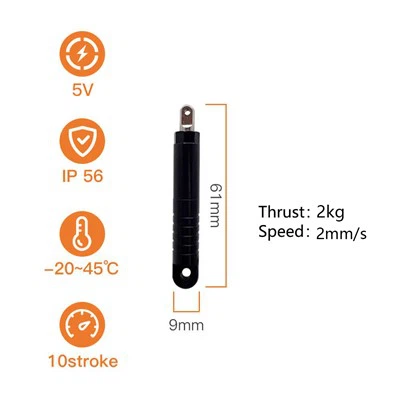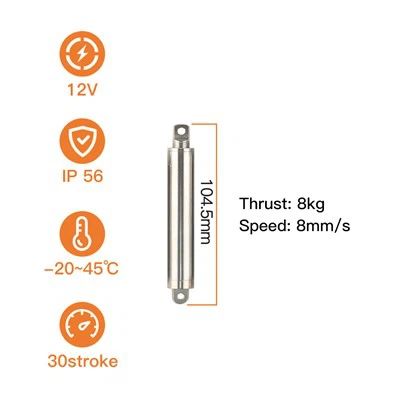
Hey there! As a supplier of 24V actuators, I often get asked if these bad boys can be used in medical devices. It's a super interesting question, and today, I'm gonna break it all down for you.
First off, let's talk a bit about what a 24V actuator is. It's a device that converts energy into motion, usually electrical energy. The "24V" part just means it operates at a voltage of 24 volts. These actuators are pretty versatile and can be found in all sorts of applications, from industrial machinery to home automation. But the medical field is a whole different ballgame, and there are some key considerations we need to look at.
Advantages of Using 24V Actuators in Medical Devices
One of the big advantages of 24V actuators is their power - to - size ratio. In medical devices, space is often at a premium. You don't want a bulky actuator taking up too much room inside a device. A 24V actuator can deliver a decent amount of force without being overly large. For example, in some surgical robots, precision movement is crucial. A 24V actuator can provide the necessary torque and speed for the robot's arms to perform delicate procedures.
Another plus is the availability of power. In most medical facilities, electrical systems can easily supply 24V power. This means you don't have to go through the hassle of using a complex power conversion system. It simplifies the design of the medical device and reduces the chances of power - related issues.
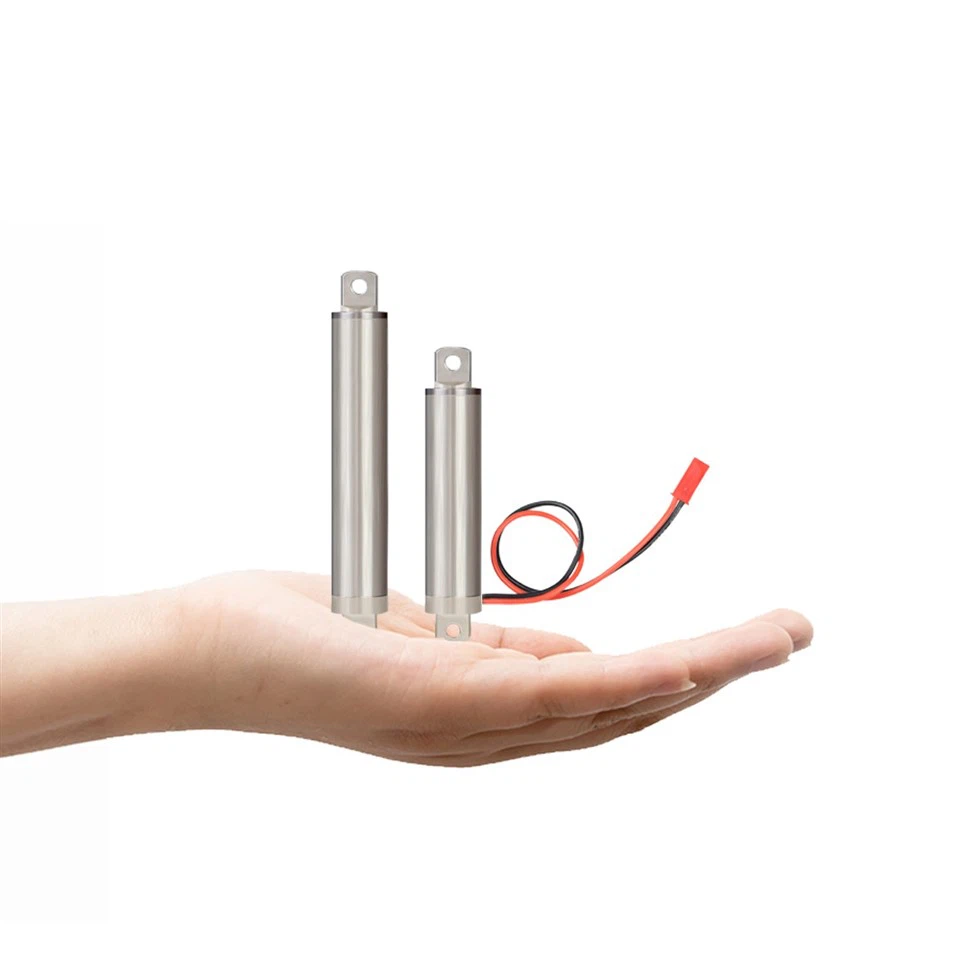
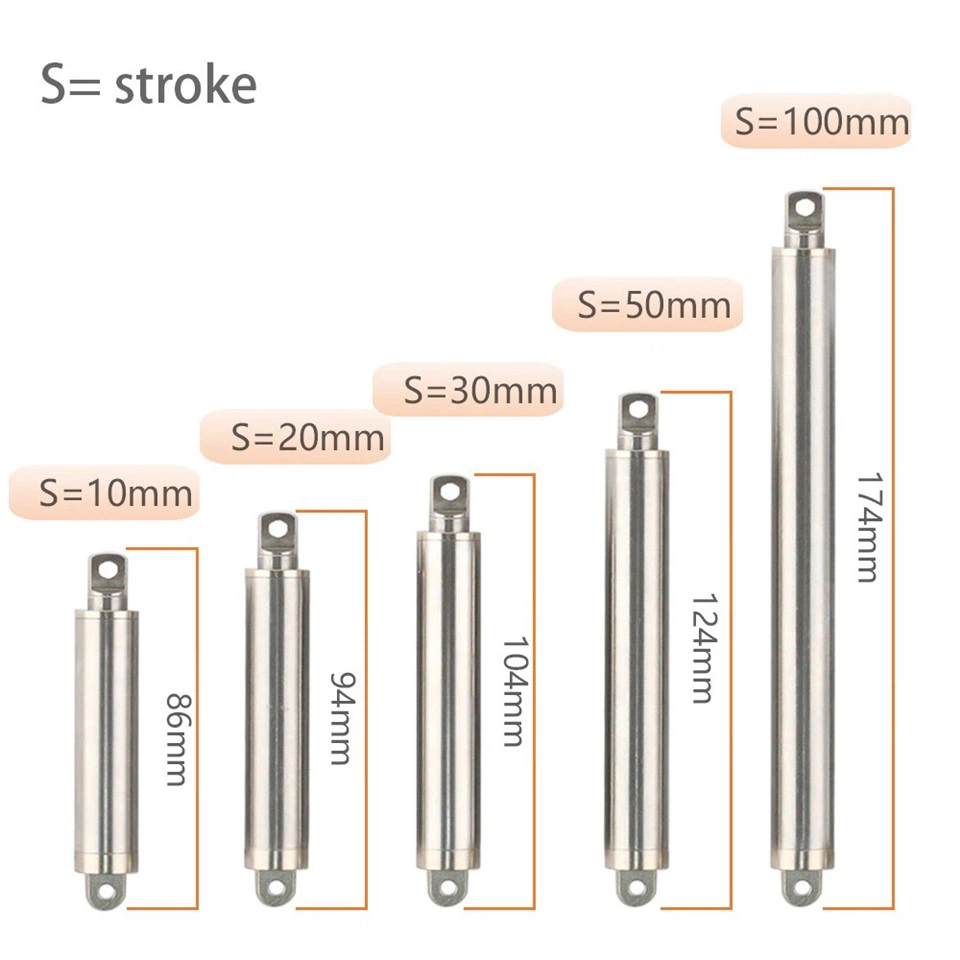
Also, 24V actuators can offer a good level of control. Many medical devices require accurate positioning and movement. With the right control system, a 24V actuator can be programmed to move in very precise increments. This is essential in devices like MRI machines, where the patient needs to be positioned accurately for the scan.
Challenges and Considerations
However, it's not all sunshine and rainbows when it comes to using 24V actuators in medical devices. One of the biggest challenges is safety. Medical devices are used on patients, so there's zero room for error. The actuator needs to be extremely reliable. Any malfunction could have serious consequences for the patient. This means that rigorous testing and quality control are a must. We need to make sure that the actuator can operate smoothly under all kinds of conditions and that it won't suddenly fail during a critical medical procedure.
Another consideration is electromagnetic interference (EMI). Medical facilities are filled with sensitive electronic equipment. The 24V actuator shouldn't generate any EMI that could interfere with other devices. For example, in a cardiac care unit, a small amount of EMI from the actuator could disrupt the operation of a heart monitor, which is obviously a huge problem.
There are also regulatory requirements. Medical devices are highly regulated, and the actuator used in them must meet strict standards. These standards ensure the safety and effectiveness of the device. As a supplier, we need to make sure that our 24V actuators comply with all the relevant regulations, such as those set by the FDA in the United States or the CE marking in Europe.
Real - World Examples
Let's take a look at some real - world examples of 24V actuators in medical devices. In adjustable hospital beds, 24V actuators are often used to adjust the position of the bed. Patients can raise or lower the head or foot of the bed with the push of a button. The actuator provides the force needed to move the heavy bed frame smoothly and quietly.
In some dental chairs, 24V actuators are used to adjust the height and angle of the chair. This allows the dentist to position the patient comfortably for the procedure. The precision of the actuator ensures that the chair can be adjusted exactly as needed.
Comparing with Other Actuators
When considering using a 24V actuator in a medical device, it's also important to compare it with other types of actuators. For example, a 12 Volt Linear Actuator with Remote operates at a lower voltage. It might be a better choice if the device has a limited power supply or if lower power consumption is a priority. However, it may not be able to deliver as much force as a 24V actuator.
On the other hand, a Micro Linear Actuator 12V is very small in size. It can be used in applications where space is extremely limited, such as in some portable medical devices. But again, its force - output capabilities may be more restricted compared to a 24V actuator.
Our 24V Actuators
As a supplier, we offer high - quality 24V Actuators that are designed with medical applications in mind. Our actuators go through extensive testing to ensure they meet the highest safety and quality standards. We also work closely with our customers to understand their specific requirements and provide customized solutions.
If you're in the process of developing a medical device and are considering using a 24V actuator, we'd love to hear from you. We can provide you with samples, technical support, and all the information you need to make an informed decision. Whether it's about the power requirements, control options, or regulatory compliance, we've got you covered.
In conclusion, a 24V actuator can definitely be used in a medical device, but it comes with its own set of challenges. With the right design, testing, and compliance measures, it can be a great choice for many medical applications. So, if you're looking for a reliable 24V actuator for your medical device, don't hesitate to reach out to us. We're here to help you find the perfect solution.
References
- Miller, J. (2018). Electrical Actuators in Medical Applications. Journal of Medical Engineering, 12(3), 45 - 52.
- Smith, A. (2019). Regulatory Considerations for Actuators in Medical Devices. Medical Device Law Review, 20(1), 15 - 22.