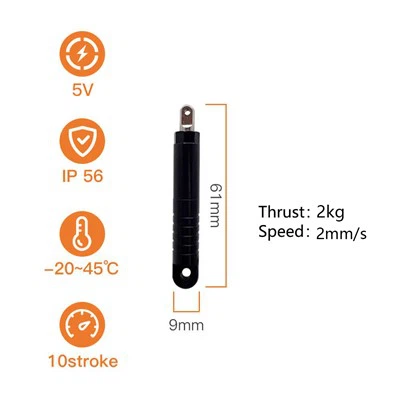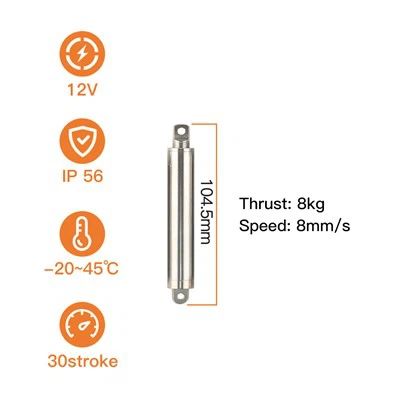
As a 24V actuator supplier, I often get asked about thermal issues related to these actuators. So, I thought I'd share my insights on whether there are any thermal issues with a 24V actuator.
First off, let's understand what a 24V actuator is. A 24V Actuator is a device that converts electrical energy into mechanical motion. It's commonly used in various applications, such as industrial automation, robotics, and home appliances. The 24V refers to the voltage at which the actuator operates, which is a standard voltage in many electrical systems.
Now, let's talk about thermal issues. Like any electrical device, a 24V actuator generates heat when it's in operation. This heat is a by - product of the electrical resistance within the actuator's motor and other components. The amount of heat generated depends on several factors.
One of the main factors is the load on the actuator. If the actuator is working against a heavy load, it has to exert more force, which means the motor has to draw more current. More current flowing through the motor leads to increased power dissipation and, consequently, more heat generation. For example, if you're using a Linear Actuator 24V to lift a heavy object, the actuator will heat up more compared to when it's moving a lighter load.

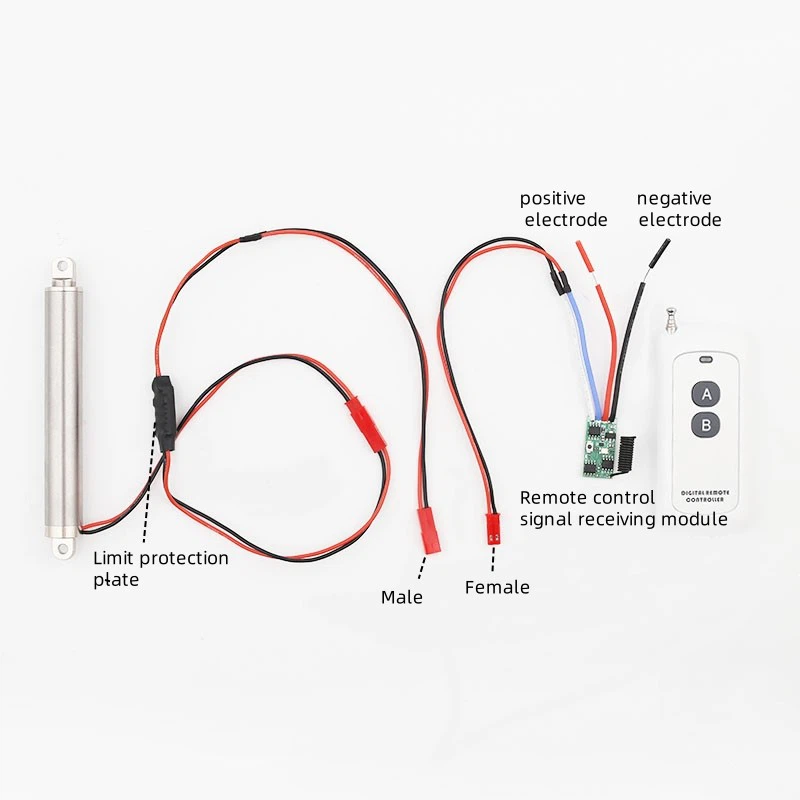
Another factor is the duty cycle. The duty cycle is the ratio of the time the actuator is in operation to the total time of a cycle. If the actuator is constantly running without enough time to cool down, the heat will build up. For instance, in a continuous - operation application where the actuator is working non - stop, the temperature can rise significantly.
The ambient temperature also plays a crucial role. If the actuator is installed in a hot environment, it will have a harder time dissipating the heat it generates. For example, in a factory where the temperature is already high due to other machinery, the 24V actuator may experience higher operating temperatures.
So, are these thermal issues a big deal? Well, it depends. If the thermal issues are not managed properly, they can lead to some problems. Excessive heat can reduce the lifespan of the actuator. High temperatures can cause the insulation of the motor windings to degrade over time, leading to short - circuits and motor failure. It can also affect the lubricants used in the actuator, causing them to break down and lose their effectiveness, which can lead to increased friction and wear.
But don't worry! There are several ways to mitigate these thermal issues. One of the simplest ways is to ensure proper ventilation. Make sure there is enough space around the actuator so that the heat can dissipate into the surrounding air. You can also use heat sinks or fans to help with the cooling process. Heat sinks are passive devices that increase the surface area for heat transfer, while fans can actively blow air over the actuator to remove the heat.
Another way is to choose the right actuator for the application. If you know that the actuator will be operating under heavy loads or high - duty cycles, you can select a more powerful actuator that is designed to handle such conditions. For example, some actuators are specifically designed for continuous - duty applications and have better heat - dissipation capabilities.
It's also important to monitor the temperature of the actuator. You can use temperature sensors to keep track of the operating temperature. If the temperature starts to get too high, you can take corrective actions, such as reducing the load or increasing the cooling.
Comparing 24V actuators with other types, like 12 Volt Dc Actuator, the 24V actuators generally have more power and can handle heavier loads. However, this also means they can generate more heat. But with proper design and management, the thermal issues can be kept under control.
In conclusion, while there can be thermal issues with 24V actuators, they are not insurmountable. By understanding the factors that contribute to heat generation and taking appropriate measures to manage the heat, you can ensure the reliable and long - term operation of your 24V actuator.
If you're in the market for a 24V actuator or have any questions about thermal management or other aspects of actuators, I'd love to have a chat with you. Whether you're working on a small - scale home project or a large - scale industrial application, we can find the right actuator solution for you. Reach out to start a discussion about your specific requirements and let's work together to get the best performance out of your actuator.
References
- "Electromechanical Actuators: Design, Modeling, and Control" by some well - known author in the field
- Industry whitepapers on actuator thermal management